






Analyzing data has long been a vital component when it comes to the success of the property industry, especially when it comes to the scale of commercial investments. The property sector has now accumulated vast amounts of historical data, and combined with up-to-the-minute real-time data archiving, real estate data and the variety of its applications has grown exponentially.
Top commercial real estate agents and brokers spend a lot of time crunching big data to arrive at the most accurate market assessments.
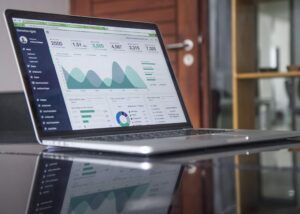
Photo by Carlos Muza on Unsplash
What is big data?
Simply put, big data refers to large amounts of analytically valuable information. These sets of data are also typically too great in volume to be handled with traditional data processing software. The term also refers to the variety of the information and the fast pace at which it is created and collected.
Approximately 70% of the world’s leading companies invest at least 25% of their IT budgets on analyzing data, and a survey from NewVantage has found that 48% of Fortune 1000 companies use data analytics to stay ahead of their competition.
So, just how is big data used to benefit commercial real estate?
Predicting return on investments (ROI)
Savvy investors now use commercial real estate data to analyze the likely yields they can achieve from a potential investment, as well as how it can be maximized. Considering data such as maintenance costs, vacancy rates, regional statistics, and contingencies can help commercial investors to determine important forecasting parameters.
Because big data represents such a diverse set of information, considerations for commercial premises can incorporate such data as regional household incomes, crime rates, proximity to cafes, restaurants, and hotels, and relevant local building permit information. When you consider that the proximity to amenities and community infrastructure can create a 60% fluctuation in a building’s rent price, you can see why this big data allows for a far deeper dive than ever before when it comes to forecasting ROIs.
Confirming market perspectives
If there is a suspicion that sales are down due to lowering inventory levels, or that a few particularly large deals are misleading the average sales price of an area, a quick check of big market data can usually solve any confusion. What once took hours of research can now be achieved virtually instantly with the use of big data.
Valuing properties accurately
They say knowledge is power, and that is certainly the case when it comes to utilizing big data to formulate accurate property valuations. The more data you have access to, and the more accurate it is, the greater the negotiating power you hold.
A process that was once an arduous process of analyzing previous ownership records and painstakingly gathering local data manually is now streamlined. Although the access to such a greater variety of data has made the calculations of valuations more complex, the process is made simple by modern technological advancements.
Now, brokers, appraisers, and agents can use automated, machine-learning valuation models to immediately compare numerous listings and vast amounts of data. The additional application of
market trend data science allows them to make informed longer-term decisions than ever before, too.
Aiding intelligent building management
Some commercial property owners are using big data to create building management systems that make their properties run more efficiently. For example, installing Internet of Things (IoT) sensors can allow for the collection of accurate, minute-by-minute information regarding temperature, humidity, air quality, and lighting, etc. This data can accurately assist owners in efficiently managing spaces by understanding where energy may be going to waste. The addition of smart Heating, Ventilation, and Air Conditioning (HVAC) and lighting systems can then further assist owners to use this data to remotely manage properties for maximum efficiency.

Photo by iStrfry , Marcus on Unsplash
Final thoughts
It is likely that the market for big data will continue to grow exponentially in the coming years, and this in turn will result in even more data-based solutions becoming available to commercial real estate investors and agents.
Commercial landlords are already utilizing big data and IoT technology to enhance the efficiency of building management. This data is allowing building owners to adjust systems according to insights gleaned, and optimize them in a way that can significantly reduce energy wastage, cutting costs and making their properties more environmentally friendly in the process. Adding on the ever-evolving options that smart home systems have to offer is resulting in buildings that are fast becoming virtually completely automated.
Big data analytics are also allowing real estate businesses to enhance the effectiveness of both their investment and marketing efforts. Armed with the analytics of big data that is also more diverse than ever, real estate professionals are better equipped to make informed investment decisions and more effectively target their marketing efforts.




