






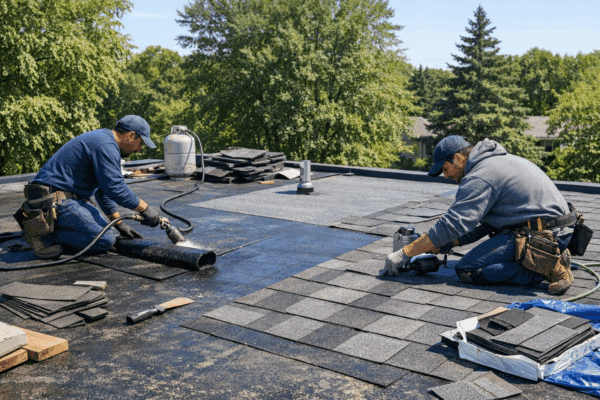
A flat roof replacement affects more than the top of a building. Deliveries, customer access, rooftop equipment and the daily work inside can all be part of the project. For a building owner, the most useful starting point is a clear scope: what needs attention, what will be replaced and how the work will be coordinated.
In Tacoma, owners considering flat roofing in Tacoma can use Tristate Roofing’s service information as a starting point for discussing installation, waterproofing and drainage. Before comparing proposals, however, it helps to organize the questions that every contractor should answer about the property.
Start with the building’s history
Gather previous roofing proposals, repair invoices, warranty documents and any photographs of recurring problems. Note where interior staining has appeared and whether it followed a particular storm or equipment service visit. A simple record gives the contractor more context than a description such as “the roof leaks sometimes.”
Separate observations from conclusions. A stain identifies where water became visible inside, but it does not by itself establish the entry point or the amount of material that needs replacing. Ask the contractor to explain the inspection findings and identify what remains uncertain until the existing assembly is opened.
Make drainage part of the discussion
Do not let the proposal focus solely on the visible roof surface. Ask how water is intended to reach the building’s drains, scuppers or gutters, and whether the proposed work addresses areas where water has repeatedly collected. Roof edges, wall transitions and equipment penetrations also deserve a clear description in the scope.
Request photographs or a marked plan showing the areas that need attention. This makes it easier to compare bids and to understand whether two contractors are proposing the same work. If drainage changes are suggested, ask who will design and coordinate them and what related work is included.
Compare complete scopes, not headline prices
Two replacement proposals may have different prices because they include different assumptions. One may allow for removal of existing materials, while another may depend on conditions that still need verification. The proposal should explain the intended approach in language the owner can follow.
Useful questions include:
- Which existing materials are included in removal and disposal?
- What roof system and associated components are proposed?
- How will damaged underlying materials be documented and priced if discovered?
- Which flashing, edge and penetration details are included?
- Who is responsible for coordinating rooftop equipment and related trades?
- What cleanup, inspections and handover documents are included?
A written process for unexpected conditions is especially helpful. Agree on who can approve additional work, how supporting photographs will be shared and how changes affect the schedule before the project starts.
Plan around the people using the building
A good project schedule should account for more than crew arrival. Identify entrances that must remain available, delivery times, parking requirements and any activities inside the building that are sensitive to noise. Share these constraints early so the contractor can build them into the work plan.
Ask where materials and disposal containers will be placed and how work areas will be separated from normal pedestrian traffic. Establish one contact for the owner and one for the contractor. Tenants and employees should know who will provide updates if access arrangements or working hours change.
The schedule should also explain how weather interruptions will be handled. Rather than relying on an unconditional completion date, ask about the sequence of work and how the building will be protected between stages.
Clarify warranties before signing
Request the actual warranty terms associated with the proposed installation. Ask which coverage comes from the manufacturer, which comes from the installer and what documentation is needed at completion. Marketing language alone is not enough to establish the scope of coverage.
Keep copies of the final contract, approved changes, product information and warranty documents together. Record the contact and process for reporting a concern. If maintenance or inspections are required under the applicable terms, add those tasks to the property’s maintenance calendar.
Finish with a practical handover
Before closing out the project, request a walkthrough and photographs of completed areas that are not readily visible from the ground. Confirm that debris has been removed, agreed work is complete and any outstanding items have an owner and a target date.
Ask for a maintenance plan appropriate to the installed system, including who should inspect it and how to arrange follow-up after a concern is reported. Roof access and inspection work should be handled by people equipped to do it safely.
The strongest replacement plan connects the roof work to the building’s everyday needs. Clear inspection findings, comparable scopes, coordinated access and organized handover records give Tacoma property owners a better basis for choosing a contractor and managing the project from the first visit onward.






