






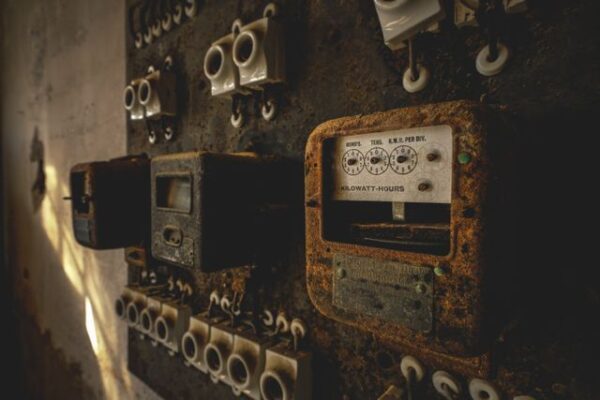
There’s something about a house built before 1980 that newer builds just can’t fake. Solid brick veneer, hardwood floors underneath the carpet, a sense that the place has already stood through fifty Australian summers and a few good storms. But behind the plaster and the picture rails, a lot of these homes are still running on wiring that was installed when petrol cost a few cents a litre, and that’s not always a comforting thought once you understand what’s actually behind the walls.
If your switchboard still has ceramic fuses, or the wiring in the roof space is wrapped in fabric rather than plastic, it’s worth booking a professional electrical inspection before you assume everything’s fine just because the lights still switch on.
Why Wiring This Old Deserves A Second Look
Electrical standards in Australia have changed enormously since the 1970s, and not in small ways. Homes from that era were commonly wired with VIR cable, vulcanised rubber insulation wrapped around copper conductors, which was a perfectly good product in its day but degrades badly with age. The rubber dries out, cracks, and eventually crumbles away from the wire it’s meant to protect.
Some homes from the same period used TPI cabling with no earth conductor at all, which was standard practice at the time but fails every modern safety expectation. None of this means your house is a ticking time bomb. It means the wiring was built for a different set of rules, and those rules existed for reasons that still apply today.
The Warning Signs You Can Actually See And Hear
You don’t need trade qualifications to notice most of these. A switchboard with ceramic fuses instead of circuit breakers is the most obvious giveaway, and if you’ve ever had to twist a fuse wire back into place by torchlight, you already know the feeling. Lights that flicker for no reason, powerpoints that feel warm to touch, or a faint burning smell near an outlet are all worth taking seriously rather than shrugging off.
So is a switchboard that trips constantly, or one that doesn’t trip at all when you’d expect it to. If you’ve ever poked around the roof cavity and noticed wiring covered in a fabric-like braid rather than smooth plastic sheathing, that’s original cloth or rubber-insulated cable doing a job it was never designed to do for this long. A persistent buzzing sound from a powerpoint or switch is another one people tend to dismiss until it isn’t dismissible anymore.
Ceramic Fuses Versus A Modern Switchboard
Here’s the part that surprises a lot of homeowners: an old ceramic fuse box on its own doesn’t include a safety switch, also known as an RCD. That’s not a minor technical gap. A safety switch is what cuts the power in a fraction of a second if there’s a fault, which is often the difference between a scare and a genuine tragedy, particularly in a bathroom, laundry, or kitchen.
Fuses protect the wiring from overload and fire, but they were never built to protect a person from electric shock the way a modern safety switch is. Plenty of pre-1980 homes have had a switchboard upgrade at some point over the decades, so it’s worth actually checking what’s installed rather than assuming, because a mix of old and new components is common and not always obvious at a glance.
VIR And Aluminium Wiring Problems
Two materials show up again and again in inspections of older Melbourne homes, and both deserve a mention. VIR wiring, as covered above, becomes brittle over time and can crack when disturbed, which happens more often than you’d think during renovations, insulation top-ups, or even just running a new light fitting.
Aluminium wiring, used in some homes during the 1970s as a cheaper alternative to copper, expands and contracts at a different rate to copper fittings, which over years can loosen connections at switches and powerpoints. A loose connection under load generates heat, and heat in a wall cavity is exactly the scenario nobody wants. Neither material makes a house unliveable, but both are reasons an electrician will often recommend targeted rewiring in problem areas rather than leaving things as they are.
The Insurance And Resale Angle Nobody Talks About Enough
This is the bit that catches people out. Some insurers now ask directly about the age and condition of a property’s wiring, and a few have been known to adjust premiums or decline certain claims where outdated wiring is found to have contributed to a fire. On the resale side, buyers and their conveyancers are getting sharper about asking for evidence of electrical safety, especially on older character homes where the wiring isn’t visible without a proper inspection. A clean bill of health from a licensed electrician, or a documented partial rewire, can genuinely smooth over what would otherwise be an awkward negotiation point.
What To Do If Any Of This Sounds Familiar
The honest answer is simple. Don’t try to diagnose wiring problems yourself, and don’t wait for something to actually fail before acting, because by the time a fuse box starts smoking it’s already too late to call it an early warning sign. A qualified electrician can assess your switchboard and wiring condition, tell you honestly whether you need a full rewire or just targeted work in the highest-risk areas, and give you a realistic idea of cost before anything is pulled apart.
Not every pre-1980 home needs a complete rewire immediately, but almost all of them benefit from a proper look by someone who knows exactly what they’re looking at.
Old homes carry a character that no amount of clever design can replicate in a new build, and that’s worth protecting rather than ignoring. Getting the wiring checked isn’t an admission that something’s wrong with your house. It’s just the sensible next step for a home that’s earned a bit of respect and a bit of attention after all these years.




