










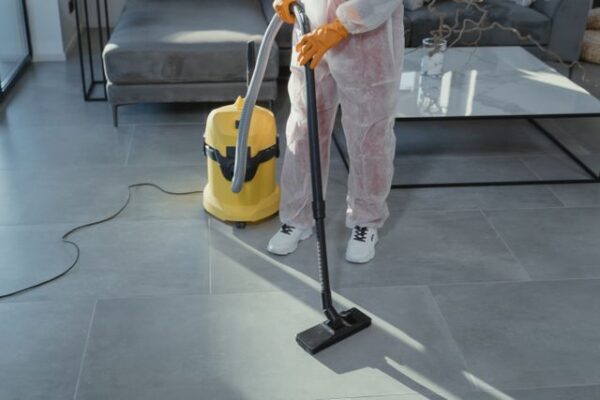
The contractors may be gone and the new floors may finally be installed, but somehow the place still feels like a construction site. There’s dust in the corners, labels stuck to new fixtures, and a fine layer of residue making brand-new surfaces look strangely dull.
Construction leaves behind more than the obvious scraps. Tiny particles travel through rooms, settle onto trim, collect inside cabinets, and land on surfaces nowhere near the actual work. Until that leftover mess is removed, it can be hard to appreciate how good the finished project really looks.
That’s where working with a company that specializes in cleaning construction sites can make all the difference. Once the dust, debris, residue, and final traces of the project are cleared away, the space stops feeling like a job site and finally starts feeling like a home.
Dust Has a Talent for Getting Everywhere
Construction dust doesn’t politely stay beside the saw or drywall work. Fine particles can become airborne and travel throughout the property, eventually settling on floors, window ledges, doors, trim, shelves, and practically any horizontal surface they can find.
Cabinets and fixtures can collect it too. Even rooms that weren’t directly renovated may end up with a dusty film, especially when people and equipment have been moving through the house for days or weeks. One quick pass with a vacuum often isn’t enough to catch everything.
Vents deserve attention because airborne particles can gather around registers and nearby surfaces. Windows can look hazy, while freshly installed floors may lose some of their shine beneath fine residue. Cleaning room by room helps reveal just how far construction dust managed to travel while everyone was focused on the bigger project.
Little Leftovers Can Spoil the Big Reveal
A renovation can be beautifully finished and still look incomplete because of tiny remnants from the work. Paint specks on flooring, adhesive on a surface, or a manufacturer’s sticker left on a fixture immediately pulls attention away from everything that was done well.
Sawdust has a similar effect. It can hide in corners, along trim, inside cabinets, and around newly installed features. Fingerprints and smudges often show up on glass, appliances, hardware, and other surfaces that were repeatedly handled during installation.
Individually, these aren’t dramatic problems. Together, they create the unmistakable feeling that workers just left. Removing them lets the craftsmanship take center stage instead. Instead of noticing a sticker on the window or dust along the baseboard, homeowners finally notice the new flooring, cabinetry, counters, and finishes they were excited about in the first place.
Brand-New Doesn’t Mean Impossible to Damage
New surfaces deserve careful treatment because the wrong cleaning method can turn a finishing job into a repair job. Flooring materials, countertops, cabinetry, appliances, and fixtures don’t all respond to the same products or tools.
Aggressive scrubbing might seem like the obvious answer for stubborn construction residue, but it can scratch or dull certain finishes. Harsh products can create their own problems on materials that require gentler care. Even removing adhesive or paint spots calls for attention to the surface underneath.
That’s why post-project cleaning isn’t simply about attacking every mark until it disappears. The goal is to remove what construction left behind without damaging what construction just installed. Knowing what material you’re working with, following appropriate care recommendations, and testing unfamiliar methods cautiously can protect the investment while still getting the space genuinely clean.
This Is When the Project Starts Feeling Real
During construction, a home can feel temporarily borrowed by the project. Tools appear in familiar rooms, furniture gets moved, surfaces are covered, and normal routines start working around contractors rather than the other way around.
A thorough cleanup changes that surprisingly quickly. Once debris is removed, surfaces are clean, and the haze of construction dust is gone, rooms start looking like places to cook, relax, work, or invite people over again.
There’s also something satisfying about finally seeing the finished work without distractions. New counters look better when they’re polished instead of dusty. Fresh flooring makes a stronger impression without footprints and residue. Clean windows and fixtures help the entire project feel intentional rather than recently assembled. The cleaning stage doesn’t add another feature to the renovation. It reveals the features that were already installed and gives the household its space back.
Conclusion
Construction crews can finish every major task and still leave a home feeling one step short of complete. That’s because homeowners don’t experience a renovation as finished drawings or checked boxes. They experience it by walking through the rooms and using them again.
Dust, adhesive, labels, sawdust, fingerprints, and leftover debris keep the work zone feeling alive after the actual work has ended. Removing those remnants allows the new materials and finishes to look the way they were supposed to look when the project began.
The final cleanup may not be the most exciting part of a renovation, but it creates one of the most noticeable transformations. It’s the moment when new floors stop looking like newly installed floors and simply become your floors. Once the evidence of construction disappears, the project finally feels like part of the home.




