









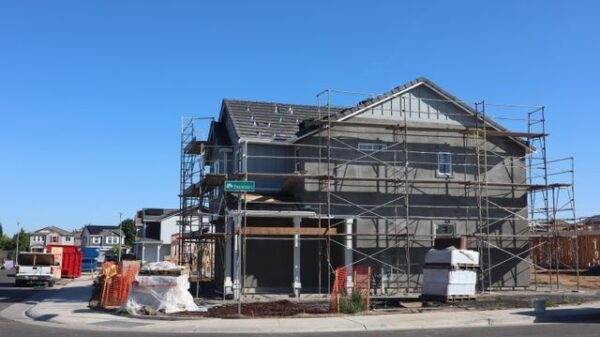
Exterior protection products serve many purposes. Siding not only improves curb appeal for a structure, it also prevents water from getting into the interior of the building, and it helps keep UV damage and heat damage at bay. Exterior surfaces also protect homes or office spaces from being damaged by pests such as insects, rodents, and birds. Having the right siding in place for a structure is critical to its longevity and its functionality.
Local weather patterns, the type of building that is being created, and the final finished appearance of the building all impact siding choices. There are actually many siding products on the market these days, all of them created with different environments and functionality in mind. Selecting the right siding is an important part of ensuring that the building that is being created will stand the test of time and be affordable to heat and cool for years to come.
Types of Siding That Contractors Use For Jobs
There are various kinds of siding products that can be selected for homes, office spaces, and industrial structures. Each of these siding types has pros and cons that it brings to the table, and builders and homeowners should be aware of the perks and negatives of each of these products.
1. Fiber Cement Siding
Fiber cement siding installation is one of the best choices if a structure needs to be protected from tough weather all year long. These siding products are some of the most durable on the market today, and they offer superior fire resistance and pest resistance. This kind of siding is often ideal for areas that have a fire season or places where houses are built close to wooded areas.
This is also a beautiful product that offers a lot of curb appeal. Fiber cement is low maintenance, easy to install, and a great choice for both homes and office spaces. For those who prefer the appearance of natural wood but don’t want to have to tackle the upkeep associated with wood products, fiber cement siding is an excellent choice.
2. Vinyl Siding
While not as commonly selected as some of the other types of siding on the market today, vinyl siding can be perfect for specific situations. This is a low-maintenance product that will never need to be painted, and it is very affordable and very lightweight. It is easy to install, and it comes in many colors. The price point is often the main reason that a builder might select this kind of siding, and it is more common in starter homes or in areas where transporting heavier materials can be cost-prohibitive.
It does offer some downsides that other siding products do not. It can creak in extreme cold or high heat, and it also doesn’t do well in areas that experience severe storms where large hail might be a component of the storm event.
3. Engineered Wood Siding
This siding type is made from wood strands and fibers that are bonded with resins. This means that you get the look of real wood without the higher price point. These products need less upkeep than natural wood products, and they are lighter and easier to install than fiber cement or real wood siding.
The main downside to this product is that the ends can become impacted by water damage and can swell over time. This is also not an ideal choice if you live in an area with a high fire risk, tough storms, or lots of pests like woodpeckers or termites.
4. Real Wood Siding
Real wood siding used to be the gold standard for siding products in the construction industry. This kind of siding was considered high-end, and it offered a classic and cozy look. Wood siding is still an option for construction projects, and it is typically made from pine, cedar, or redwood varieties.
Wood siding can be an upkeep nightmare for homeowners who were not prepared for the needs of these products, however. They need to be stained, sealed, or painted on a routine basis to prevent rot, swelling, or drying out of the siding materials. They can also be the perfect haven for insect pests and rodents to nest in. Wood siding is a commitment that most people are not willing to make, but it is an option that can be considered when building a home.
5. Metal Siding
Metal siding is not commonly used for building projects, but it can be the perfect siding type for areas where tough stormy weather, intense moisture, or fire risk are high. This kind of siding is also ideal for outbuildings, industrial structures, and other practical buildings. It can be affordable in some areas of the country and much more expensive to get access to in others, so most construction teams will shop around to see if this is even a viable option related to their budget. Property owners will need to be aware of cost variances if they are looking at using metal siding for projects.
This is a very durable, low-maintenance product, but it can be harder to insulate buildings against heat and cold with this material on the exterior, and it also can be quite noisy being inside a building with metal siding when it rains.
Selecting the Right Siding is a Big Part of Creating the Perfect Home or Office Space
The exterior surfaces on any building contribute to its longevity, beauty, and energy-efficiency. There are various siding materials that might be selected for any kind of structure, and the choice of which is the right material often depends on location, function of the structure, and potential risks that the structure might be exposed to.
Fiber cement siding and vinyl siding are the most commonly utilized siding types for most home or office construction jobs, while metal siding is quite common for outbuildings and industrial structures. Homeowners or construction teams need to be aware of the pros and cons of each siding type, the cost to source it and ship it locally, and the required upkeep and maintenance that each kind of material requires before making a final choice.




