









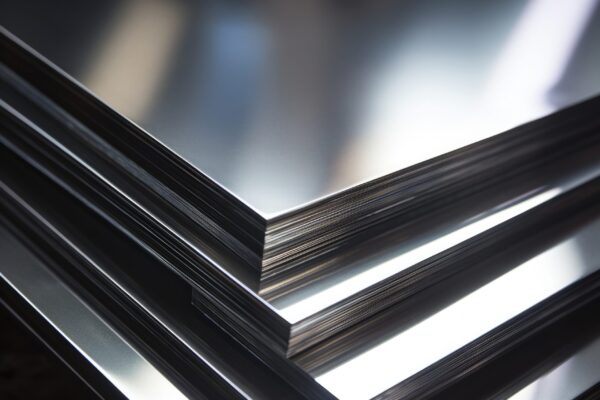
Stainless steel is one of the most widely used materials across industries because of its durability, strength, and resistance to corrosion. It is commonly used in construction, manufacturing, automotive, food processing, medical equipment, and household products. Businesses and individuals looking for Stainless steel for sale should consider factors such as grade, finish, and intended application to ensure the material meets their specific requirements. Since stainless steel is available in different grades, compositions, and finishes, selecting the right material requires careful evaluation. Understanding the key factors that influence performance helps ensure the material is suitable for its intended application and provides long-term value.
Stainless Steel Composition
The composition of stainless steel determines many of its physical and chemical properties. It is primarily composed of iron and chromium, with additional elements such as nickel, molybdenum, carbon, and manganese added to improve specific characteristics.
Chromium is the essential element that gives stainless steel its corrosion resistance by forming a thin protective oxide layer on the surface. Nickel improves toughness, strength, and resistance to corrosion, particularly in harsh environments. Molybdenum increases protection against chloride exposure, making it suitable for marine and chemical applications. Carbon can improve hardness and strength, while other alloying elements are added to achieve specialised performance.
Selecting the appropriate composition depends on the environmental conditions and the demands of the application.
Stainless Steel Grades
Stainless steel is available in several grades, each designed for specific uses. Choosing the correct grade is one of the most important decisions when purchasing stainless steel.
Grade 304 is the most commonly used because it offers an excellent balance of corrosion resistance, strength, and affordability. It performs well in general-purpose applications, including kitchen equipment, architectural components, and industrial equipment.
Grade 316 contains molybdenum, providing improved resistance to corrosion caused by saltwater, chemicals, and moisture. It is commonly selected for marine environments, pharmaceutical facilities, and food processing plants.
Ferritic grades such as 410 and 430 are generally more economical and offer good strength, although they provide lower corrosion resistance than austenitic grades. Selecting the proper grade ensures the material performs reliably under the intended operating conditions.
Corrosion Resistance
Corrosion resistance is one of the primary reasons stainless steel is selected over other metals. However, the level of protection varies depending on the grade and the environment in which the material will be used.
Applications exposed to high humidity, chemicals, seawater, or extreme temperatures require stainless steel with greater corrosion resistance. For example, Grade 316 is better suited for coastal or chemical environments because of its molybdenum content, while Grade 304 is often sufficient for indoor or less demanding conditions.
Evaluating environmental exposure before purchasing helps prevent premature corrosion, equipment failure, and costly maintenance.
Mechanical Properties
Mechanical properties determine how stainless steel performs under stress during manufacturing and service. Important characteristics include tensile strength, hardness, ductility, toughness, and impact resistance.
Structural applications typically require materials with high tensile strength to support heavy loads, while products that undergo bending, forming, or fabrication benefit from greater ductility. Components exposed to repeated stress may also require higher toughness to resist cracking and fatigue.
Reviewing the mechanical properties of the selected grade ensures the material can withstand the demands of its intended application.
Surface Finish
The surface finish affects both the appearance and functionality of stainless steel. It is available in a variety of finishes, including matte, brushed, satin, and mirror-polished surfaces.
Smooth finishes are commonly used in industries where cleanliness is essential, such as food processing, healthcare, and pharmaceuticals. These finishes reduce the accumulation of contaminants and simplify cleaning procedures. Decorative applications often require polished finishes to achieve a more attractive appearance, while industrial environments may prioritise durability over aesthetics.
Choosing the appropriate finish improves both the performance and service life of the material.
Available Forms
Stainless steel is supplied in a wide range of forms, including sheets, plates, coils, bars, pipes, tubes, and wire. The appropriate form depends on the manufacturing process and the requirements of the project.
Sheets and plates are commonly used in construction and fabrication, while bars are suitable for machining and structural components. Pipes and tubes are frequently used in plumbing, transportation, and industrial processing systems.
Selecting the correct form reduces material waste, minimises additional processing, and improves production efficiency.
Compliance with Industry Standards
Quality standards ensure that stainless steel meets established performance and safety requirements. Materials should comply with recognised standards such as ASTM, EN, or ISO, depending on the application and industry.
Compliance confirms that the material has been manufactured according to accepted specifications for chemical composition, mechanical properties, dimensions, and testing procedures. Purchasing certified materials helps reduce quality issues and supports regulatory compliance in industries with strict material requirements.
Supplier Reliability
Choosing a reliable supplier is just as important as selecting the correct stainless steel grade. Established suppliers typically provide certified materials, consistent quality, and dependable delivery schedules.
A reputable supplier should also be able to provide technical documentation, material certifications, and guidance when selecting the appropriate stainless steel for specific applications. Working with a trusted supplier reduces the risk of receiving substandard materials and helps ensure consistent project results.
Cost and Long-Term Value
Price is an important consideration, but it should not be the only factor in the purchasing decision. Lower-priced materials may not meet quality standards or provide the durability required for long-term use.
Evaluating the total value of stainless steel includes considering its expected service life, maintenance requirements, corrosion resistance, and overall performance. Investing in higher-quality materials often reduces repair, replacement, and maintenance costs over time, making it a more cost-effective choice.
Conclusion
Purchasing stainless steel requires careful evaluation of several key factors, including composition, grade, corrosion resistance, mechanical properties, surface finish, available forms, industry standards, supplier reliability, and overall value. Each factor contributes to the material’s performance and suitability for its intended application. By considering these elements before making a purchase, buyers can select stainless steel that meets project requirements, supports long-term reliability, and provides the best return on investment.




