









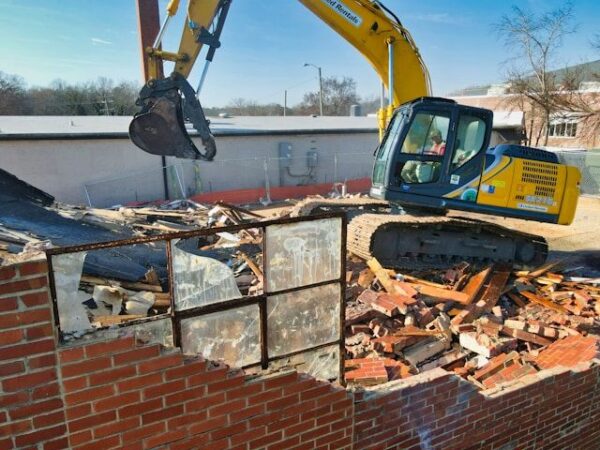
Tear out a wall, strip a floor, gut a bathroom — and suddenly, you’re staring at a pile of debris that doesn’t just disappear on its own. Whether you’re overseeing a retail refresh, a hotel lobby overhaul, or a large-scale commercial remodel, waste management is one of the most underestimated challenges of any construction project.
The truth is, construction and demolition waste accounts for a significant share of what ends up in landfill sites every year. According to the EPA, the construction and demolition sector generated an estimated 600 million tons of debris in the United States in 2018 alone (more than double the country’s total municipal solid waste that year). For project managers and facility operators, that’s a compliance issue, a budget line item, and a reflection of your company’s commitment to performance for the planet.
So how do you handle it all without derailing your timeline or blowing your budget? Let’s break it down.
Know What You’re Dealing With Before Demolition Begins
Renovation sites produce multiple waste streams, and each one needs to be handled differently.
Typical commercial renovation projects generate drywall, wood framing, concrete, metal scraps, insulation, flooring materials, and packaging debris. But that’s just the surface layer. Depending on the age and type of the structure, you may also encounter materials that require hazardous waste disposal. Think asbestos insulation, lead-based paint, or old fluorescent fixtures containing mercury. A chemical leak from improperly handled materials can escalate quickly, creating both safety risks and serious regulatory consequences.
Classifying your waste early allows you to assign the right disposal services to each category, keep your site organized, and avoid cross-contamination between recyclables and materials bound for the landfill.
Choosing the Right Waste Management Partner
Once you know what you’re dealing with, the next step is finding a waste management provider that can handle the full scope of your project.
For major renovations, you’ll want a partner equipped to manage both solid waste treatment and liquid waste removal, especially if your project involves industrial wash-downs, drainage upgrades, or underground utilities. Companies like Fremantle Resource Solutions specialize in exactly this kind of integrated approach — offering everything from dumpster rentals and industrial bin services to grease trap pump-outs and hazardous material handling.
Beyond scope, look at responsiveness. Renovation schedules are notoriously fluid, and waste buildup doesn’t wait for a convenient window. Ask prospective partners about their availability for emergency pickups, same-day waste collection, and how quickly they can mobilize for quick cleanouts between project phases.
Doing Right by the Environment Doesn’t Have to Cost More
Sustainability is a standard. More commercial clients, developers, and building owners are actively seeking cost-effective solutions that also minimize environmental impact. The good news is that responsible waste management and budget efficiency aren’t mutually exclusive.
Identify materials that qualify for beneficial reuse. Salvageable wood, metal, brick, and fixtures can often be redirected to deconstruction resellers, nonprofit organizations, or even back into the project itself. This diverts debris from landfills and reduces your overall disposal costs.
From there, work with your provider to route appropriate materials to transfer stations that sort and process recyclables rather than sending everything straight to the dump. Some facilities also offer energy recovery options, converting non-recyclable waste into usable fuel.

Smarter Tools for a Complex Job
The renovation industry is catching up with digital technology solutions, and waste management is no exception. Today’s leading providers use software platforms to track manifest documentation, schedule trash pickup, monitor bin fill levels, and generate compliance reports in real time. For commercial project managers juggling multiple stakeholders and tight deadlines, that level of visibility is a game-changer.
Regulatory compliance is another area where technology is making a meaningful difference. Environmental agencies require detailed records for the transport and disposal of controlled materials, particularly when it comes to environmental and management solutions for hazardous substances. Digital tracking tools ensure that every load is documented, every handoff is recorded, and your project stays audit-ready from start to finish.
Build It In From Day One
Waste management is often treated as an afterthought, tacked onto the project scope when dumpsters start overflowing, and the site supervisor is fielding complaints. A smarter strategy is to incorporate waste handling into your project plan from the earliest planning stages. Get quotes before demolition begins, confirm that your provider can accommodate the volume and variety of materials your project will produce, and establish a clear schedule for pickups and bin swaps. For larger builds, consider assigning a dedicated site coordinator to liaise directly with your waste management team.
This is especially critical for projects that include renovation of older commercial buildings, where hidden materials and unexpected debris volumes are common. Planning ahead means fewer surprises, tighter cost control, and a cleaner site throughout every phase.
A Cleaner Site Starts With a Smarter Plan
Renovation projects are complex enough without letting waste management become a bottleneck. A quick retail refurbishment and a multi-phase commercial overhaul may look nothing alike, but both reveal the same truth: how you handle debris says a lot about how you run your operation.
Renovation projects that handle waste well share a few things in common. They plan for it early, choose experienced partners, follow sustainable disposal practices, and use digital tools to stay compliant. The outcome is a safer site, a more predictable schedule, and a track record that holds up to scrutiny.




