






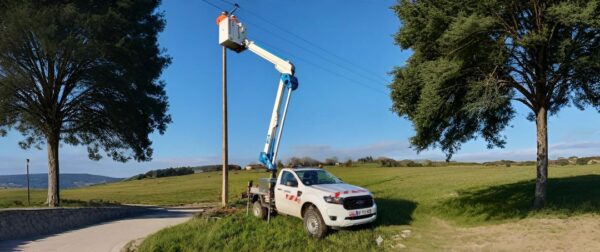
Finding the right forestry bucket truck for sale is an important step for companies that work in tree care, vegetation management, forestry maintenance, and utility clearing. In these industries, crews often face difficult terrain, elevated work zones, dense branches, roadside environments, and unpredictable conditions that require reliable aerial access equipment.
A forestry bucket truck is designed to help operators safely reach trees, branches, and elevated work areas while improving efficiency on the jobsite. Whether the work involves pruning, trimming, storm cleanup, tree removal, utility corridor maintenance, or municipal forestry services, the right truck-mounted aerial platform can support safer and more productive operations.
Choosing a forestry aerial platform involves more than simply comparing working heights. Companies must consider maneuverability, boom configuration, outreach, vehicle access, operator comfort, and the type of forestry work performed every day. Socage North America offers solutions for professionals looking for dependable aerial platforms designed for demanding environments and real-world tree care applications.
Why Forestry Professionals Use Bucket Trucks
Forestry and tree care operations often require crews to work at height in areas that are difficult to access safely from the ground. Bucket trucks provide elevated access while helping operators maintain stability and positioning control during trimming, inspection, or removal work.
Compared to traditional climbing methods alone, a forestry bucket truck can help improve workflow, reduce setup complexity, and provide faster access to elevated branches and canopy areas. For many companies, this translates into better daily productivity and more efficient job completion.
Financing and Budget Considerations
If you’re looking to upgrade your equipment while managing cash flow, you can finance a boom truck with flexible payment options
Safety is one of the main reasons forestry companies invest in aerial platforms. Tree work can involve uneven terrain, unstable branches, electrical hazards, roadside exposure, and changing weather conditions. A well-designed bucket truck helps operators access work areas with greater confidence while maintaining controlled positioning during the job.
Common Applications for Forestry Bucket Trucks
Forestry bucket trucks are used across a wide range of industries and services. Although tree care is the most obvious application, these aerial platforms are also valuable for utility contractors, municipalities, parks departments, and infrastructure maintenance crews.
Tree Trimming and Pruning
Professional arborists frequently use bucket trucks for pruning trees in residential, commercial, and public areas. The ability to position the platform accurately around branches can help crews work more efficiently while maintaining visibility and access to targeted sections of the tree.
In urban environments, articulated boom movement can be especially useful because operators often need to work around buildings, fences, parked vehicles, or landscaping elements.
Tree Removal Operations
Tree removal work often involves difficult access conditions and elevated cutting points. A forestry bucket truck can help operators reach sections of the tree safely while maintaining better positioning during cutting operations. This can improve control and reduce unnecessary repositioning during the job.
Storm Cleanup and Emergency Response
After storms, crews may need to remove broken limbs, clear fallen branches, and restore access to roads, power lines, or public spaces. In these situations, aerial platforms provide practical elevated access in environments that may be unstable or hazardous.
Because emergency work often requires mobility and rapid deployment, many companies look for forestry bucket trucks that are practical to drive and position across different locations.
Utility Vegetation Management
Utility contractors and municipalities use forestry bucket trucks for vegetation control around power lines, roads, and infrastructure corridors. These jobs often require crews to move continuously between work zones while maintaining safe elevated access around trees and utility systems.
For this type of operation, reliability and ease of use become especially important because equipment may be used every day across demanding conditions.
Important Features to Look for in a Forestry Bucket Truck
Every forestry operation is different, which means there is no single aerial platform that works for every company. Selecting the right equipment depends on the type of jobs performed, the working environment, and the level of access required.
Working Height and Reach
Working height is one of the most important considerations when comparing bucket trucks. Forestry crews need enough height to safely access tree canopies and elevated cutting areas without constantly repositioning the vehicle.
However, horizontal outreach is equally important. Trees rarely allow perfect vertical access, so crews often need to work around branches and obstacles. A truck-mounted aerial platform with suitable outreach can help operators access difficult areas more efficiently.
Articulated Boom Flexibility
Articulated boom configurations are popular in forestry applications because they allow operators to move up and over obstacles. This flexibility can be especially valuable when working around dense canopies, roadside trees, or urban landscaping.
The ability to position the basket accurately can improve productivity and reduce unnecessary truck movement throughout the day.
Maneuverability in Tight Work Areas
Forestry work often takes place in residential neighborhoods, narrow roads, parks, and areas with limited access. Choosing a bucket truck with practical maneuverability can make a major difference in setup efficiency and daily workflow.
Some companies prefer more compact truck-mounted platforms because they are easier to position in urban environments while still providing the reach required for tree care work.
Operator Comfort and Ease of Use
Forestry crews may spend long hours working from an aerial platform, so operator experience matters. Smooth controls, stable platform positioning, and intuitive operation can help reduce fatigue and improve overall efficiency.
A platform that allows crews to work comfortably can also support safer operation during detailed pruning or cutting tasks.
The Difference Between Standard Bucket Trucks and Forestry Models
Not all bucket trucks are equally suited for forestry applications. Tree care and vegetation management work create unique challenges that require equipment capable of handling demanding environments and irregular access points.
Forestry bucket trucks are typically selected based on their ability to provide:
- Flexible boom movement for navigating around branches and obstacles.
- Practical outreach for canopy access.
- Mobility between jobsites during daily operations.
- Stable positioning during cutting and pruning work.
- Efficient setup and repositioning in changing work environments.
For companies that work primarily in tree care or vegetation management, choosing a platform designed with these needs in mind can improve both productivity and operator confidence.
How Forestry Bucket Trucks Improve Productivity
Efficiency is critical in professional forestry and arborist operations. Crews often work under tight schedules, weather limitations, and demanding jobsite conditions. A well-selected bucket truck can help reduce downtime and improve overall workflow.
Faster Access to Elevated Areas
Instead of relying solely on manual climbing methods, operators can use the aerial platform to reach elevated branches and work zones more quickly. This can reduce setup time and help crews move efficiently between tasks.
Reduced Repositioning
Bucket trucks with suitable outreach and articulated movement can help operators access multiple cutting points from a single setup position. This reduces the need to constantly move the vehicle, saving time during large jobs.
Improved Crew Coordination
Forestry work often involves coordination between ground crews and aerial operators. A platform that allows smooth movement and predictable positioning can support better communication and workflow between team members.
Choosing the Right Size and Configuration
Different forestry companies have different operational priorities. Some focus on residential tree service, while others handle utility corridor maintenance, municipal contracts, or commercial vegetation management. The right bucket truck should match those priorities.
Compact Forestry Bucket Trucks
Compact aerial platforms can be valuable for companies working in residential neighborhoods or tight urban areas. These trucks are often easier to maneuver and may simplify transportation between jobsites.
For crews handling daily pruning and maintenance work, compact solutions can offer a practical balance between accessibility and performance.
Larger Reach Forestry Platforms
Companies handling large-scale tree removals or utility vegetation management may require additional working height and outreach. In these situations, a larger truck-mounted aerial platform may provide the capability needed for more demanding operations.
The decision should always be based on the real type of work performed most frequently, rather than selecting the largest available option without considering maneuverability or efficiency.
Why Service and Support Matter
Forestry bucket trucks are working machines that may operate daily under challenging conditions. Because of this, service support and equipment reliability are important parts of the purchasing decision.
Downtime affects productivity, scheduling, and customer commitments. Companies should consider not only the platform itself but also the level of support available after the purchase. Access to parts, technical knowledge, and responsive assistance can make a significant difference over the life of the equipment.
Socage North America provides aerial platform solutions for professionals who depend on reliable access equipment for demanding applications. Working with a specialized provider can help businesses choose equipment that aligns with their operational needs and long-term goals.
Questions to Ask Before Buying a Forestry Bucket Truck
Before selecting a forestry bucket truck, companies should evaluate how the equipment will be used in real operating conditions. Asking the right questions can help narrow the options and lead to a more effective investment.
- What type of forestry work is performed most often?
- How much working height is typically required?
- Will crews need significant horizontal outreach?
- Are jobs primarily urban, residential, rural, or utility-related?
- How important is compact maneuverability?
- Will the truck be used daily or occasionally?
- What type of support and service will the business need?
Answering these questions helps companies choose equipment based on operational reality rather than general assumptions.
Investing in the Right Forestry Aerial Platform
Choosing the right forestry bucket truck is about more than reach alone. The ideal aerial platform should support safe operation, efficient positioning, dependable performance, and practical mobility across different worksites.
For tree care professionals, utility contractors, and forestry service providers, the right truck-mounted aerial platform can improve productivity while helping crews perform elevated work with greater confidence. Equipment that matches the real demands of the job can become a valuable long-term asset for the business.
When comparing a forestry bucket truck for sale, focus on real-world usability, operator efficiency, flexibility, and long-term reliability. A carefully selected aerial platform can help crews handle demanding forestry tasks more effectively while supporting safer and more professional operations every day.




