









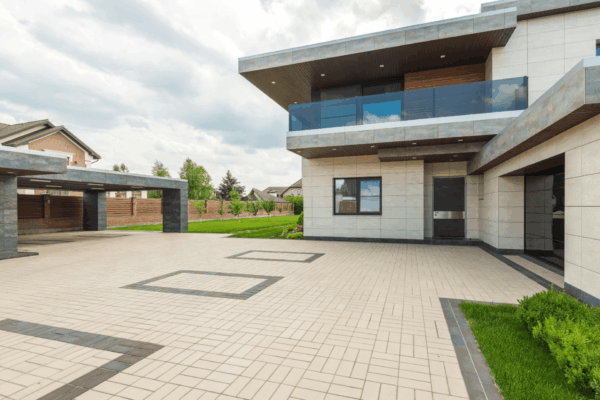
There’s something incredibly satisfying about transforming the outside of a home: new siding, fresh paint, a redesigned entry, updated landscaping. The whole thing can feel like giving a house a second life. And the payoff is real, whether that’s better curb appeal, higher resale value, lower energy bills, or just the simple pleasure of pulling into the driveway and actually liking what’s there.
That said, exterior renovations are a big deal. They cost real money, take real time, and involve real risk if things aren’t planned carefully. Before swinging a hammer or signing a contract, there are some important things to think through. Skipping these steps is how renovation horror stories get made.
Here’s what to seriously consider before kicking off an exterior project.
Get Clear on the Why
This sounds obvious, but it’s where a lot of projects go off the rails. Without clear goals, decisions start getting made on the fly, and the budget creeps up while the vision drifts. So before anything else, get specific about what the renovation is supposed to accomplish.
Is the home looking dated and in need of a modern refresh? Is the goal better energy efficiency and lower utility bills? Is there a long-term plan to sell, and the renovation is mostly about boosting resale value? Are there any practical problems, like leaks, drafts, or rotting trim, that need fixing? Maybe it’s a mix of all of those.
Knowing the why also makes it way easier to talk with contractors and designers. They can offer better advice and more realistic timelines when the priorities are clear from day one.
Set a Real Budget, Then Add a Cushion
Exterior renovations have a way of getting expensive fast. Materials cost more than expected. Hidden damage shows up once siding comes off. Permit fees pop up. A solid budget includes not just the obvious costs but also a buffer of 10 to 15 percent for the inevitable surprises.
Get multiple quotes from contractors. Compare them carefully, and not just on price. Look at what’s included, what’s not, and how detailed each estimate is. Vague quotes almost always lead to change orders later.
Don’t forget the smaller stuff either. Landscaping, lighting, gutters, downspouts, paint touch-ups, and even the cost of dumpster rentals can add up. Bake those into the budget instead of treating them as afterthoughts.
Don’t Forget About the Stuff Beyond the House Itself
It’s easy to focus on siding, roofing, and windows and forget that exterior renovations often involve much more than the building itself. Driveways, walkways, patios, retaining walls, outdoor steps, and landscape features all live in the same project category, and they can dramatically change how a property looks and functions.
This is where hardscape contractors come in. The right team can design and install everything from a beautiful stone walkway to a multi-level paver patio to a retaining wall that solves a drainage problem and looks great doing it. They bring specialized skills and equipment that most general contractors don’t have, and the difference shows in the finished product. Even a small upgrade like a redesigned front walkway or a new flagstone entry path can completely change how a home feels from the street.
If the project includes outdoor living spaces, paths, or any stonework, it’s worth bringing in hardscape pros early. Their input can shape decisions about grading, drainage, and material flow long before anything gets poured or laid.
Pick Materials That Actually Fit the Home
Material choice is one of the biggest decisions in any exterior project. The right materials can make a home look better, last longer, perform better in extreme weather, and require less maintenance over time. The wrong ones can mean repainting every few years, or worse, ripping things out and starting over.
Vinyl siding is affordable and low-maintenance, but doesn’t have the texture or character of real wood or fiber cement. Stone and brick last forever, but cost more upfront. Composite materials are catching up fast in both quality and appearance. Climate matters too. What works great in dry Arizona might fall apart in humid Florida.
Think about the architecture of the home as well. A craftsman bungalow wears different materials than a sleek modern build. Stick to materials that fit the style and the setting, and the whole exterior will feel more intentional.
Think Energy Efficiency, Not Just Aesthetics
Modern exterior renovations are about more than looks. Energy efficiency has gone from a nice-to-have to a real selling point, both for current comfort and future resale.
Energy-efficient windows can dramatically cut heating and cooling costs. Better insulation behind siding makes a huge difference. Solar panels are getting more affordable every year. Even smaller upgrades like proper sealing around doors and windows pay off in the long run.
Look for materials that are sustainable, durable, and ideally locally sourced. Lower environmental impact, lower bills, and often better performance. That’s a triple win that adds real long-term value.
Hire the Right Pros
DIY has its place, but large-scale exterior renovations are not the time to wing it. Roofing, siding, window installation, and structural changes are all jobs that benefit hugely from experienced professionals who do this work every day.
Get multiple bids. Check references. Look at past projects. Read reviews. A contractor’s portfolio and reputation matter way more than their quote being a few hundred dollars cheaper than someone else’s. The cheapest bid almost always ends up being the most expensive when things go wrong.
Make sure everyone is licensed, insured, and clear on the scope of the project. A solid written contract protects everyone and prevents the most common disputes down the road.
Time the Project Wisely
Weather matters a lot in exterior work. Roofing in January is rough. Painting during a rainy spring doesn’t work. Most exterior projects do best in spring through early fall, when the weather is predictable enough to keep things on schedule.
But popular seasons also mean booked-up contractors. Reaching out months in advance is smart, especially for bigger jobs. Build extra time into the schedule for weather delays, supply chain hiccups, or just the normal chaos that comes with construction projects.
Pick a Style and Stick With It
Design choices can be the most fun part of a renovation, but also the part where projects can lose focus. Mixing too many styles, or trying to chase too many trends at once, can leave a home looking confused rather than cohesive.
Think about the home’s architectural character and let it lead. A traditional colonial wears classic shutters and a beautifully symmetrical entry. A mid-century modern home shines with clean lines and bold geometry. A craftsman benefits from natural wood tones and detailed trim. Choose a direction and let every decision pull in the same direction.
Plan for Future Maintenance
Some materials look amazing but need constant care. Wood siding might need to be stained every few years. Painted surfaces fade. Stone and brick stay solid, but mortar might need pointing eventually. Be honest about how much time and money are realistic for ongoing upkeep.
Low-maintenance options like vinyl, fiber cement, or composite materials might not be as charming as natural wood, but they save serious headaches over the long haul. Picking materials that match the homeowner’s maintenance lifestyle is just smart planning.
Handle Permits and Local Rules Early
Before any work begins, check in with the local municipality about permits, zoning, and building codes. Many exterior projects, from changes to the roofline to adding a deck to altering the home’s footprint, require official approval. HOAs often have their own rules on top of city requirements.
Skipping this step can lead to fines, stop-work orders, or even being forced to undo finished work. It’s painful, expensive, and entirely avoidable with a phone call upfront. Better to deal with the paperwork early than to scramble after the fact.
Wrapping It Up
A great exterior renovation comes down to thoughtful planning. Clear goals. A realistic budget with breathing room. Materials that fit both the home and the climate. The right professionals for each part of the job. Smart timing. And a clear design direction that ties it all together.
Done right, the result isn’t just a better-looking home. It’s a more functional, more efficient, and more valuable one. The kind of home that feels good to live in and looks great when you pull up.
That’s what makes all the planning worth it in the end.




