








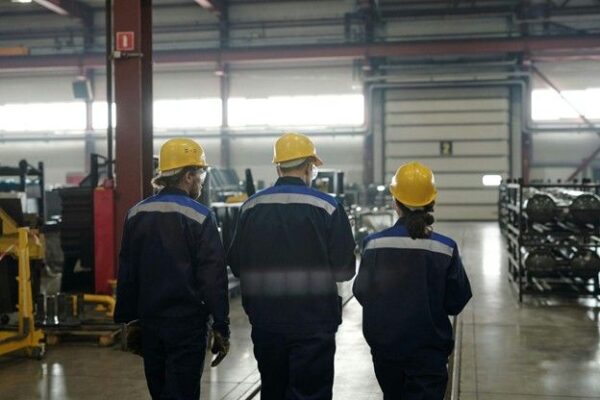
Outdoor work has always required practical clothing, but increasing environmental pressure, longer working hours, and physically demanding conditions are making durability more important than ever. Workers spending long days outside increasingly prioritize clothing that can handle weather changes, repeated wear, physical movement, and demanding environments without sacrificing comfort in the process.
This shift is affecting industries ranging from construction and agriculture to transportation, field services, and outdoor maintenance. People working outdoors no longer want clothing that feels disposable or poorly suited to real conditions. Instead, they are looking for garments combining durability, warmth, flexibility, and long-term wearability because the demands of outdoor work continue intensifying across many professions.
Outdoor Workplaces Are Becoming More Physically Demanding
One reason durable clothing matters more now is because many outdoor jobs involve greater physical pressure than before. Workers frequently deal with longer shifts, unpredictable weather, heavier equipment, and more constant movement throughout the day.
Clothing that wears down quickly becomes frustrating because replacing gear repeatedly increases both cost and inconvenience. Durable garments help workers stay focused on the job itself instead of constantly dealing with discomfort, poor insulation, or fabric deterioration during demanding conditions.
As workloads increase in many industries, reliable clothing is increasingly viewed as part of workplace functionality rather than simply personal preference.
Warmth and Flexibility Need to Work Together
Another major challenge with outdoor workwear is balancing warmth with movement. Heavy layers may provide insulation, but overly stiff or restrictive clothing often makes physical work harder over time.
Modern workers increasingly prefer garments that retain heat while still allowing flexibility during lifting, walking, climbing, or repetitive movement throughout long shifts. This is one reason knitwear and layered wool garments continue remaining popular within colder outdoor environments.
Collections such as Aran fisherman sweaters reflect the continued demand for durable knitwear capable of providing warmth, comfort, and long-term wearability without relying entirely on highly synthetic materials alone.
Workers Are Paying More Attention to Longevity
Another reason durable clothing is becoming more valuable is because workers increasingly view clothing as long-term equipment rather than temporary fashion. Garments that survive repeated outdoor use, weather exposure, and physical labor often become more cost-effective despite higher upfront pricing.
This shift reflects broader consumer fatigue with disposable products and low-quality fast fashion alternatives that fail quickly under real working conditions. Many workers now prefer buying fewer, stronger garments that continue performing consistently over time.
Durability has therefore become closely connected to practicality, reliability, and long-term value within outdoor work environments.
Outdoor Conditions Have Become Less Predictable

Image Source: Getty Images on Unsplash
Weather variability is also increasing pressure on workwear performance. Outdoor workers often face rapid temperature shifts, moisture exposure, wind, and changing environmental conditions throughout the same day.
Clothing must therefore function across multiple conditions instead of serving only one narrow purpose. Layering systems, breathable insulation, and adaptable materials have become more important because workers need garments supporting comfort during physically active outdoor routines.
Traditional wool and textured knitwear continue attracting attention because they naturally balance insulation, breathability, and long-term resilience in unpredictable environments.
Comfort Matters More During Long Shifts
One reason workers increasingly prioritize higher-quality clothing is because outdoor shifts are physically exhausting enough without uncomfortable garments adding additional strain. Clothing that feels rough, restrictive, or poorly insulated often creates fatigue much faster during extended outdoor work.
Comfort is therefore becoming part of job performance itself. Warmth, softness, flexibility, and reliable layering help workers maintain energy and concentration longer throughout demanding conditions.
This is especially important in industries where workers remain outside for most of the day regardless of weather changes or seasonal conditions.
Heritage Workwear Is Gaining Appreciation Again
Another noticeable trend is renewed appreciation for heritage-inspired workwear and traditional craftsmanship. Many workers value garments with proven durability and practical functionality rather than highly trend-driven technical fashion designed mainly around appearance.
Textured wool sweaters, heavier knits, and classic layering pieces continue remaining relevant because they have historically performed well in difficult working environments. Workers increasingly trust garments built around durability and craftsmanship instead of relying solely on marketing claims or temporary fashion trends.
This interest in practical heritage clothing reflects broader demand for reliability within physically demanding industries overall.
Reliable Clothing Supports Daily Performance
Perhaps the biggest reason durable workwear matters more today is because outdoor jobs themselves are becoming harder to manage under growing operational pressure. Workers already deal with physical fatigue, changing weather, and demanding schedules regularly. Reliable clothing helps reduce at least part of that strain by supporting warmth, comfort, and mobility consistently throughout the day.
The strongest workwear is often the clothing people stop thinking about once they put it on because it simply performs reliably without constant adjustment or discomfort. Durability, warmth, and long-term wearability quietly improve daily experience even if workers rarely discuss those details directly.
As outdoor work continues becoming more demanding across many industries, clothing is increasingly expected to function as dependable equipment rather than temporary seasonal fashion. Workers want garments that support real conditions, and that expectation is reshaping how durable clothing is valued today.
Feature Image Source: Getty Images on Unsplash




