







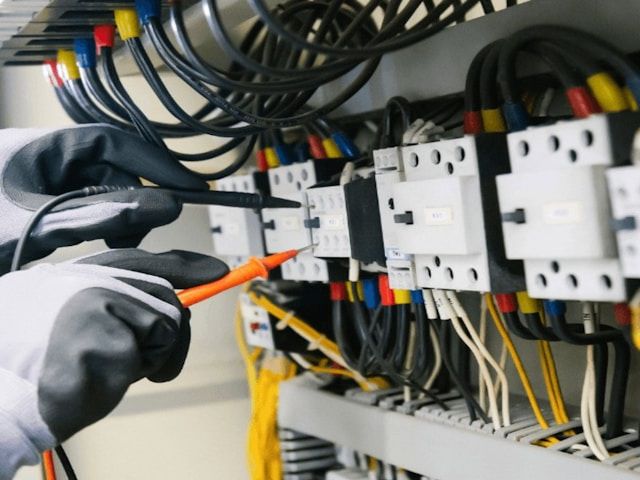
As we push further into an era dominated by artificial intelligence, high-density computing, and sustainable energy demands, the electrical infrastructure of a workspace has become a strategic asset. A future-ready space is one that anticipates the inevitable surge in power requirements while maintaining the flexibility to pivot as technology evolves. Failing to plan for this evolution during the initial design phase often leads to the astronomical costs of retrofitting, messy exposed conduit fittings, and operational downtime that most businesses simply cannot afford.
Assessing Load Capacity and Scalability
The foundation of a future-ready electrical plan begins with an honest and expansive assessment of projected power loads. Traditional calculations often fall short because they account for current hardware without factoring in the exponential growth of digital infrastructure. A forward-thinking developer must look beyond the immediate density of workstations and consider the integration of localized server rooms, high-capacity uninterruptible power supplies, and the massive energy draw of climate control systems required to cool advanced electronics.
Scalability is the keyword here; the primary distribution boards should be designed with significant spare capacity. This means installing oversized conduits and panels, specifying the right electrical wiring gauges from the outset, and ensuring everything can accommodate additional breakers or upgraded circuits without requiring the demolition of walls. By over-provisioning the core infrastructure today, a commercial space ensures that it can host a high-tech tenant tomorrow without a complete electrical overhaul.
Ultimately, a facility’s long-term viability depends on the caliber of its initial installation and ongoing maintenance. Hughes Electrical services or similar reliable solutions are essential for mitigating risk and guaranteeing that your infrastructure remains both resilient and compliant under the weight of increasing digital demands.
Integrating Modular and Flexible Distribution
Fixed electrical layouts are the enemy of the modern, agile office environment. Future-ready spaces utilize modular distribution systems, such as under-floor busways or overhead plug-and-play power tracks supported by properly rated cable trays to organize and protect runs across open ceilings. These systems allow for the rapid reconfiguration of power points without the need for an electrician to pull new wires through the ceiling.
When a company decides to turn a row of desks into a high-powered laboratory or a multimedia studio, a modular system allows the transition to happen in hours rather than weeks. Maintaining that kind of structural tidiness also depends on quality conduit hangers to keep overhead runs secure, level, and code-compliant throughout the space. This level of adaptability not only extends the lifecycle of the building but also makes the property significantly more attractive to premium tenants who value operational agility.
Prioritizing Intelligent Energy Management
A truly modern commercial space must be as smart as it is powerful. Integrating an Internet of Things (IoT) framework into the electrical fitting plan allows for granular control over energy consumption, which is essential for both environmental compliance and cost management. This involves the installation of smart meters, automated lighting controls that respond to daylight harvesting, and occupancy sensors that cut power to unused zones. Beyond simple automation, these systems provide data analytics that help facility managers identify energy leaks or equipment inefficiencies before they become costly failures.
Planning for these smart fittings means ensuring that the electrical grid is tightly integrated with the building’s data network. Without this synergy, the smart features remain siloed and underutilized, preventing the building from achieving the high efficiency ratings required in an increasingly regulated market.
Establishing Robust Data and Power Convergence
The line between electrical power and data transmission is blurring, thanks largely to the rise of Power over Ethernet (PoE) technology. In a future-ready space, low-voltage systems can power everything from LED lighting and security cameras to VoIP phones and wireless access points. At every branching point in the network, properly rated junction boxes protect the connections and provide accessible splice points as the system grows or changes.
When planning fittings, it’s vital to create a high-density network of data cabling that complements traditional high-voltage wiring. This convergence reduces the amount of copper needed and simplifies the overall infrastructure. In spaces where walls are furred out to conceal mechanical or structural elements, a furred wall box ensures that device mounting remains flush, professional, and fully code-compliant.
Furthermore, as 5G and future 6G technologies become standard, commercial spaces must account for the electrical needs of internal signal boosters and dense arrays of small-cell nodes. A building that lacks the internal nervous system to support high-speed data alongside reliable power will quickly find itself at the bottom of the commercial real estate market.
Planning for On-Site Generation and Storage
Grid instability and the global push for carbon neutrality make on-site energy generation and storage a necessity rather than a luxury. Thus, future-ready commercial spaces must be designed with the structural and electrical capacity to support rooftop solar arrays and basement-level battery energy storage systems (BESS). These fittings allow a building to engage in peak shaving, where it draws from stored battery power during expensive high-demand hours, and provide a critical layer of resiliency during grid outages.
In industrial-adjacent facilities or buildings with on-site generation equipment operating near flammable materials, explosion-proof fittings must be incorporated into the electrical plan to meet NFPA and OSHA safety standards. The plan must also address how large wire runs will be managed across long distances, which is where pulling fittings becomes essential, allowing electricians to efficiently route and tension cable through complex conduit paths without damaging the conductors.
Where cables enter enclosures or cross structural boundaries, properly installed cable glands provide the strain relief and environmental sealing needed to maintain system integrity over decades of use. No part of the system is complete without attention to safety at the most fundamental level: robust grounding fittings must be specified throughout, ensuring that every panel, rack, and enclosure has a reliable fault path to protect both equipment and personnel.
Conclusion
A commercial space that’s prepared for the electrical needs of the future is a space that protects its value, supports its occupants, and remains relevant in an increasingly digital world. Investing in high-quality, forward-thinking electrical fittings is the most effective way to ensure that the “office of tomorrow” is ready to open its doors today.




