









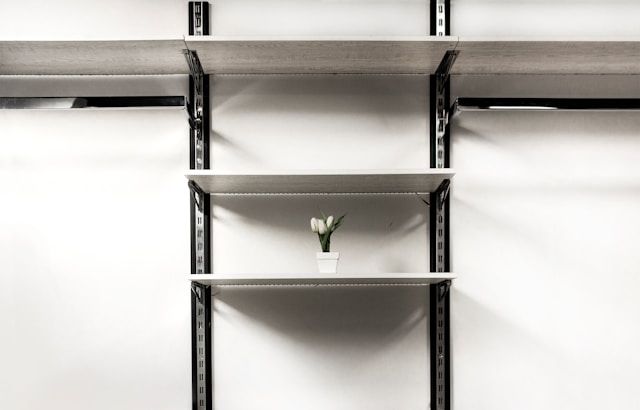
Custom metal brackets, panels, and fixtures make up the vast majority of construction and manufacturing projects worldwide.
Whether buying stock products off-the-shelf or ordering custom items from a sheet metal manufacturing service… procurement represents the lifeblood of a successful project.
Fail to source components on time. Fail to have accurate specifications. Fail to have a contingency plan when materials are delayed or defective. You get the point. Projects fall apart when the necessary pieces aren’t ready when crews need them.
But when procurement is done correctly, teams can avoid headaches at the shop and downstream. Take custom metal components, for example.
Whether it’s brackets used for structural applications, metal panels serving as enclosure systems, or fixtures and mounting hardware that hold equipment in place — ordering these components correctly can mean the difference between on-time project delivery and chaotic delays.
In this article:
- Why Custom Metal Components Matter for Project Managers
- How To Source Sheet Metal Parts the Smart Way
- The Most Common Custom Components Every PM Should Know
- Avoiding Costly Procurement Mistakes
Why Custom Metal Components Matter for Project Managers
Did you know the sheet metal industry is exploding right now?
Data from a leading market research firm projects that the global sheet metal market will reach nearly $341.8 billion in 2025. By 2035, that number is expected to grow even further to $496.3 billion.
When you break that down, it means…
Demand for custom metal components will continue to rise.
Project managers who aren’t preparing for this increased demand will find themselves playing catch-up later. Here’s how that scenario typically plays out:
Imagine a project manager is responsible for the procurement of metal components during a commercial buildout. They need brackets, mounting plates, structural panels, coating systems, and more. Every piece has detailed specifications. Every piece must meet exact tolerances.
In most cases, if 5% of the order is delayed or fabricated incorrectly, the entire project schedule suffers.
This is why forward-thinking PMs order sheet metal parts online that can be custom made to exact specifications. They know who they’re buying from, see instant quotes, and have parts delivered faster than ever before.
How To Source Sheet Metal Parts the Smart Way
Procuring sheet metal components the smart way starts with a process.
Too many project managers out there stick with legacy procurement methods. Why? Because it’s what they’ve always known.
Here’s the issue with that approach:
Accomplishing simple tasks, like reaching out to different metal fabrication shops to see who can make your part takes an unreasonable amount of time. Emailing back and forth to receive quotes. Waiting weeks to see if those parts come in ready to ship. It’s a logistical nightmare.
Fortunately, there’s a better way. High-performing teams approach every angle of their project with repeatable systems, clear standards, and reliable tools. The procurement of sheet metal parts should be no different.
Let’s break down what that looks like…
- Start with your CAD drawings. Your finished metal components can only be as accurate as the files you provide. Engineers should take extra time to iron out the details before sharing those drawings anywhere.
- Get quotes instantly. The ability to upload files to a metal fabrication service and receive a quote within minutes (not business days) will drastically improve your procurement process.
- Standardize when you can. Custom brackets don’t always need to be custom. Look for opportunities to purchase off-the-shelf components that can be modified to fit your needs.
- Partner with vetted suppliers. A reliable sheet metal manufacturing service can make or break your build schedule. Do your research upfront to find fabricators that consistently produce quality parts.
When sourcing sheet metal parts, take a step back and look at your process. There’s always room for improvement.
The Most Common Custom Components Every PM Should Know
All custom metal components are not created equal. Knowing the differences between each component can help project managers streamline their build schedule.
Here are three of the most common custom metal components. Familiarize yourself with them if they’re applicable to your next project:
Custom Brackets
You’ve seen them. You’ve probably even used them yourself. Custom brackets are some of the most popular metal components on any project.
Brackets come in handy when needing to mount HVAC systems to walls, support electrical conduit, or reinforce existing structural connections. But when do you know you actually need a custom bracket?
Typically, project managers reach for custom brackets when their needs don’t align with standard sizing. Brackets can be made from stainless steel, mild steel, aluminium, or any other metal that provides the necessary support.
Metal Panels
Paneling is another term you’ll hear often when working with metal components. Metal panels are large, flat sheet metal that can be used for enclosure systems, cladding, access doors, and much more.
Precision is key when working with metal panels. These large components often leave little room for error when installed. Project managers should triple-check specs with their sheet metal fabricator to ensure proper tolerances are met.
Fixtures and Mounting Hardware
This umbrella category includes mounting plates, clamps, custom jig components, and any other piece that “holds things together.”
Project managers should pay extra attention to custom fixtures. There’s nothing worse than getting to the job site and realizing critical components are either the wrong size or weren’t ordered at all.
Avoiding Costly Procurement Mistakes
Here is the part that most project managers don’t get right.
Project delays caused by procurement mishaps are avoidable. In fact, research shows that steel prices increased by upwards of 15-25% in 2025 compared to the year prior. Anything that can save you money on material costs should be done.
Procurement delays are still one of the leading risks to project timelines. By having an accurate plan for your metal components, you can mitigate risk and ensure the pieces you need are ordered weeks (if not months) in advance.
Take a look at some of the mistakes project managers make when ordering sheet metal parts.
- They wait too long to place orders. Lead times for metal fabrication vary from shop to shop. Establish a relationship with your fabricator now. That way, they’ll be more willing to expedite your order when crunch time rolls around.
- Spec sheets are incomplete. Always have your materials, dimensions, coating, and tolerances detailed out before talking to your fabricator. The less they have to guess on your behalf, the more accurate your part will be.
- Fabricators don’t have a QC process. If your fabricator is providing quotes that seem too good to be true, they probably are. Don’t sacrifice quality for price. It will cost you more in the long run.
- No backup plan = major delays. Did you know that many fabricators offer backup machining services in case of an equipment failure? Not all vendors provide this, but it’s worth looking into.
Project managers that think about procurement from Day 1 avoid many of these mistakes. If you don’t have a procurement plan yet, create one.
Wrapping Things Up
Custom metal brackets, panels, and fixtures aren’t always the most exciting part of a project. However, they typically make or break a project’s budget.
Taking the time to source quality sheet metal parts from a reputable supplier can:
- Save you time. Waiting on quotes and parts can be a thing of the past when you work with companies that offer instant quoting and fast turnaround.
- Save you money. Buying cheap isn’t always the best option. Make sure your components are coming from a trusted fabricator that won’t compromise on quality.
- Allow you to focus on the bigger picture. There’s enough stress involved with managing projects. Why add unnecessary stress by not having a plan for your metal components?
Remember these tips the next time you’re out ordering metal components for your team.




