






Running a business comes with enough expenses already, so it’s tempting to put off electrical maintenance. If the lights are on and the machines are functioning, everything may seem fine. But electrical systems rarely fail without warning. Small issues build up slowly, quietly increasing risk and repair costs.
The true cost of skipping regular commercial electrical maintenance isn’t just about one unexpected breakdown. It shows up in higher energy bills, damaged equipment, safety hazards, and lost revenue when operations stop. As a result, what you saved today turns into a much bigger bill tomorrow.
In this article, we’ll break down what that neglect actually costs. Let’s take a look:
Costly Unplanned Downtime
One of the first consequences of skipping maintenance is unplanned downtime. When electrical systems fail unexpectedly, it can halt operations for hours or even days.
Every minute your business isn’t running costs money. Employees sit idle, production slows, and deadlines get missed. Even small businesses feel the impact in lost revenue and unhappy clients.
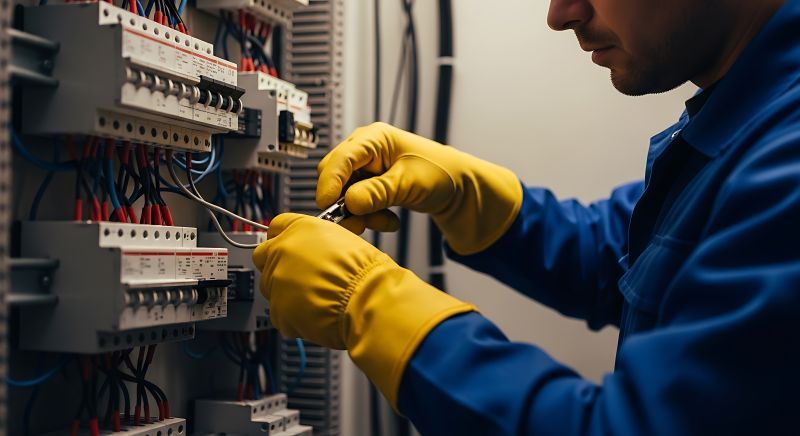
Regular inspections by a licensed electrical contractor can catch problems early. Something as simple as checking circuit breakers, repairing faulty electrical circuits, or inspecting backup systems can prevent hours of costly interruptions.
Just ensure you find a qualified local contractor for the job. For instance, do your homework to find the best electrician Perth has to offer if you operate in the area. Local experts understand the common issues in your area, from voltage fluctuations to weather-related power risks. They also know the local codes and electrical safety procedures, which ensures repairs are done right the first time.
Downtime doesn’t just affect your internal operations. If customers rely on your services or products, outages impact their experience, too. A single electrical failure can damage trust and push clients to competitors. Avoiding routine maintenance makes these surprises more frequent and more expensive.
Hidden Energy Inefficiency
Electrical systems can also run inefficiently if left unchecked. Loose connections outdated electrical components, or improperly calibrated systems can quietly waste energy.
That inefficiency shows up in higher utility bills. Extra costs add up, draining resources that could go toward growth, staffing, or upgrades. Regular maintenance helps improve energy efficiency by ensuring circuits are balanced, circuit breaker panels are functioning correctly, and lighting fixtures operate at peak performance.
Inefficient electrical systems can also affect equipment performance. Machines running hotter or under inconsistent voltage may slow down or break down regularly. Maintaining your electrical system helps keep energy use steady and predictable, saving money and reducing unnecessary stress on your machines.
Legal, Insurance, and Safety Liability
Skipping electrical maintenance isn’t just an operational or financial risk: it’s also a safety and legal liability. Faulty electrical systems increase the risk of fires, shocks, or other accidents that threaten employees and customers.
If an accident occurs and your records show that you didn’t take any preventive measures, your business can face serious liability. Insurance claims might be denied, fines could be imposed, and legal action may follow. Beyond the financial impact, a safety incident can harm your reputation, making it harder to retain staff and customers.
Regular electrical safety inspections and following proper safety procedures help minimize these risks. Keeping a documented maintenance routine, including checking for exposed wires, testing backup power systems, and completing circuit upgrades, shows diligence and protects your business.
Accelerated Equipment Depreciation

Electrical systems are connected to your machines, computers, and other equipment. Poorly maintained electrical wiring systems, overloaded circuits, or inconsistent voltage can wear out that equipment faster.
When a motor, heating, ventilation, and air conditioning (HVAC) unit, or production line receives unstable power, it strains internal components. This stress can shorten the life of your machinery. Replacing worn-out equipment is far more expensive than keeping it in good condition.
Routine industrial maintenance can help identify early signs of wear, like frayed wires, flickering lights, or overheating circuits. Addressing these small issues extends equipment life and reduces the need for emergency electrical repairs. Paying a little now prevents much higher costs later.
Reduced Workplace Safety and Employee Productivity
Skipping regular electrical maintenance can create subtle safety hazards that employees face daily. Exposed wires, faulty fixtures, or unstable electrical circuits raise the risk of shocks or fires. They can also make the workplace uncomfortable and distracting. Even small issues, such as flickering workplace lighting or intermittent power, can slow down daily operations and interrupt workflow.
When workers constantly deal with malfunctioning systems, it can hurt morale and efficiency. Staff may feel frustrated or unsafe, which can lead to mistakes or even absenteeism. Over time, these issues can affect your team’s productivity and make it harder to retain top talent.
Regular maintenance helps prevent these problems. Ensuring your electrical wiring system is sound, lighting fixtures are reliable, and power backups are ready keeps the workplace safer and more comfortable. Taking these preventive measures protects both employees and the overall flow of business operations.
Conclusion
Neglecting your electrical system doesn’t save money. It just pushes the cost further down the road while the problem grows. Between emergency repairs, wasted energy, and legal risks, the true cost of neglect is far higher than the price of a check-up.
Don’t wait for a flicker or a breakdown to take action. Investing in a proactive electrical maintenance plan protects your equipment, your staff, and your revenue. It’s the smartest way to ensure your business stays powered and profitable.




