









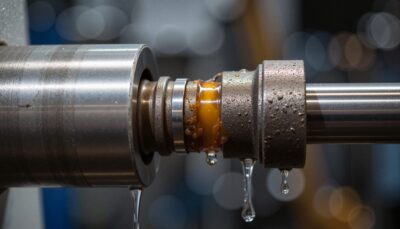
Construction equipment handles demanding tasks every day. Machines lift heavy loads, dig through compact soil, and operate for long hours in tough conditions. To keep this work moving, each hydraulic machine depends on systems that deliver steady power and smooth control. One key part of that system often gets overlooked. Hydraulic oil plays a central role in how well equipment performs and how long it lasts.
Hydraulic oil affects movement, safety, and reliability. When the right oil is used, machines respond better and experience less wear. Poor oil choices, on the other hand, can slow work and raise repair costs. Understanding the role of hydraulic oil helps explain why it’s essential for construction equipment performance.
How Hydraulic Systems Power Construction Equipment
Hydraulic systems allow equipment to perform tasks that mechanical force alone can’t handle. These systems use pressurized oil to move cylinders, motors, and valves. When an operator moves a control, oil carries that force through the system and turns it into motion.
This process allows excavators to lift earth, loaders to raise materials, and cranes to place heavy loads with precision. The system depends on clean, stable oil to keep movements smooth. If oil flow becomes uneven, equipment response suffers. That’s why hydraulic oil remains critical to daily job site operations.
Hydraulic Oil as a Power Transfer Fluid
Hydraulic oil transfers power efficiently because it doesn’t compress easily. This quality allows force to move quickly from one part of the system to another. As a result, machines respond right away when controls are used.
Oil thickness also affects performance. Oil that’s too thin may leak past seals and reduce pressure. Oil that’s too thick can slow movement and strain parts.
This is where choosing properly formulated industrial hydraulic oils becomes important, especially for equipment that operates under heavy loads and long duty cycles. Working with knowledgeable suppliers or maintenance professionals helps ensure the oil matches the machine, workload, and operating conditions, which supports better performance and fewer interruptions on site.
Protecting Internal Components from Wear
Hydraulic systems contain many moving metal parts. Pumps, valves, and cylinders operate under constant pressure and friction. Over time, this friction can cause damage if parts aren’t protected.
Hydraulic oil reduces this wear by creating a protective layer between metal surfaces. That layer limits direct contact and helps parts move smoothly. Consistent lubrication extends component life and lowers the risk of sudden failures.
When oil quality drops, friction increases. This change can lead to worn seals, damaged pumps, and reduced system reliability. Proper oil selection and care help avoid these issues.
Managing Heat During Heavy Use
Construction equipment often runs for long periods under heavy loads. This kind of work generates heat inside the hydraulic system. Excess heat can damage oil and system components if it isn’t controlled.
Hydraulic oil helps manage heat by carrying it away from high-stress areas. Quality oils stay stable across temperature changes, which helps equipment operate in different climates. Some specialty oils are designed for extreme heat conditions and offer better protection during demanding work.
If oil breaks down due to heat, it can lose its protective properties. Thick deposits or overly thin fluid may form, which reduces system efficiency. Using oil designed for the equipment’s operating range helps prevent heat-related damage.
Supporting Clean and Reliable Systems
Dust, dirt, and moisture are common on construction sites. Over time, these contaminants can enter hydraulic systems. If they aren’t controlled, they can damage sensitive components.
Hydraulic oil contains additives that keep contaminants suspended so filters can remove them. This process helps protect valves, seals, and pumps. Clean oil allows systems to operate smoothly and respond accurately.
Contaminated oil causes problems. Blocked passages and worn components can reduce performance and increase downtime. Regular oil checks and filter changes help keep systems clean and reliable.
Efficiency and Daily Performance
Oil quality has a direct impact on how efficiently equipment operates. High-quality hydraulic oil maintains stable flow, resists breakdown, and protects against corrosion. These qualities help machines perform consistently throughout the workday.
Low-quality oil leads to sluggish movement and pressure loss. Fuel use can increase because systems have to work harder. Over time, these issues affect productivity and raise operating costs.
For example, a loader working with degraded oil may struggle to lift full loads. That delay slows progress and adds strain to the machine. Good oil helps equipment perform as intended.
Fire Resistance and Safer Operation
Safety plays a major role in hydraulic oil selection. Some work environments require oils with added fire resistance. This feature becomes important near high heat sources or confined spaces.
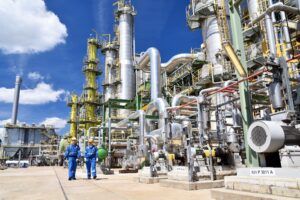
In areas such as an industrial plant, fire-resistant hydraulic oils help reduce risk if leaks occur. These oils don’t ignite as easily, which adds a layer of protection for workers and equipment. Fire-resistant options are often used in specialized construction and industrial settings where safety standards are strict.
Environmental Considerations
Environmental responsibility matters more than ever on modern job sites. Some projects take place in environmentally sensitive areas where spills could cause harm. In these cases, biodegradable or low-toxicity hydraulic oils may be required.
These environmentally sensitive oils help reduce environmental impact without sacrificing performance. They’re often used near waterways, forests, or protected land. Choosing the right oil supports both compliance and responsible operations.
Conclusion
Hydraulic oils are essential to construction equipment performance. They transfer power, reduce wear, control heat, and keep systems clean. Features such as fire resistance and environmentally sensitive formulations add safety and responsibility to modern operations. Specialty oils help meet specific job site demands, whether on open construction sites or inside an industrial plant. With the right oil and proper maintenance, every hydraulic machine can operate safely, efficiently, and reliably over the long term.




