









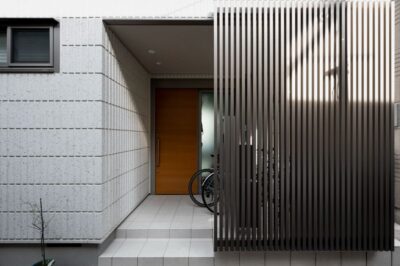
Exterior design plays an essential role in shaping a property’s visual appeal and overall value. It reflects the character of the home while expressing the homeowner’s preferences. Beyond appearance, a well-planned exterior can improve functionality, support energy efficiency, and offer protection against weather conditions. Thoughtful design contributes to stronger curb appeal and a greater sense of pride in homeownership.
What Are Exterior Decorative Wall Panels?
Exterior decorative wall panels are materials used to enhance the appearance of a building’s outer structure while providing added protection. Commonly crafted from vinyl, metal, timber composites, and other durable materials, these panels are available in a wide range of styles, textures, and colors. Their use can significantly improve curb appeal, and some types also support energy efficiency by offering additional insulation and resistance to weather-related wear.
Modern home design often incorporates features that improve both functionality and aesthetics. These typically include open layouts, the use of natural light, energy-efficient materials, and minimalistic styling. Many contemporary homes integrate smart technology and blend indoor and outdoor living areas. Calming color palettes and practical materials help create spaces suited to the lifestyle needs of today’s homeowners.
The Rising Trend of Exterior Decorative Wall Panels
Decorative wall panels have grown in popularity due to their versatility and visual impact. Their straightforward installation and wide range of design options, from rustic finishes to sleek contemporary styles, make them appealing to many homeowners. They offer an effective way to refresh a property with minimal disruption while also supporting insulation in some cases. As modern design increasingly values efficiency and practicality, the demand for these panels continues to rise.
This growing interest is influenced by several factors, including shifts in consumer preferences, new construction technologies, and changes in the economic landscape. Many homeowners are seeking sustainable options, while manufacturers are producing innovative materials to meet this demand. These changes demonstrate broader cultural and lifestyle trends that shape modern housing choices.
Benefits of Exterior Decorative Wall Panels
Durability and Low Maintenance
Many exterior panels are designed to withstand long-term exposure to the elements, reducing the need for frequent repairs or replacement. Their low-maintenance nature helps homeowners save time and money over the years while contributing to reduced waste.
Versatility and Customisation
These panels offer a wide range of design possibilities. Homeowners can select colors, patterns, and textures that complement the property’s existing features. This flexibility makes it easier to achieve a cohesive and personalized look that suits different architectural styles.
Energy Efficiency
Some panel types improve insulation by helping regulate indoor temperatures. This can lower energy use without compromising comfort, making the home more economical to run and more environmentally responsible.
Enhanced Visual Appeal
Decorative panels can transform a property by adding texture, depth, and character. Thoughtful choices in color and design help create attractive exteriors that contribute to a welcoming and distinctive appearance.
Different Types of Exterior Decorative Wall Panels
Vinyl Siding
Vinyl siding is valued for its durability and minimal upkeep. Available in a variety of colors and finishes, it can replicate timber while resisting pests and harsh weather. Its long lifespan and low maintenance requirements make it a practical choice for many homes.
Wood Siding
Timber siding offers natural charm and insulating qualities. Options such as cedar and pine provide durability and appealing textures. Although attractive, wood requires routine maintenance to protect it from moisture, pests, and weathering.
Metal Siding
Metal panels provide strong protection and long-term reliability. Resistant to fire, pests, and decay, they suit both residential and commercial properties. Their reflective properties can contribute to better energy efficiency while requiring minimal upkeep.
Fibre Cement Siding
Made from a mixture of cellulose fibres, sand, and cement, fibre cement siding offers the look of timber or vinyl with added durability. It resists rot, fire, and pests, and requires less maintenance than traditional materials.
Stucco
Stucco is a cement-based finish applied to exterior walls. It can be customized with different textures and colors, offering a distinctive appearance and strong insulating properties. Its resilience and low maintenance needs make it a common choice for many architectural styles.
Choosing the Right Exterior Decorative Wall Panels
Selecting suitable panels involves assessing durability, maintenance requirements, design preferences, installation needs, and cost. Environmental considerations and moisture resistance should also be evaluated to ensure long-term performance. Matching the panels to the property’s architectural style, color scheme, and surrounding landscape helps create a cohesive exterior.
Installation Process
Installing exterior panels involves preparing the surface, ensuring accurate measurements, and following the manufacturer’s guidelines. Once installed, the panels should be inspected to confirm proper alignment and stability. A smooth installation depends on careful planning and adherence to recommended procedures.
Homeowners may choose between a DIY approach and hiring a professional. DIY installation can reduce costs but may require specialized tools and skills. Professional installers bring experience and efficiency, which is often beneficial for large or complex projects.
Where to Source Exterior Decorative Wall Panels
Panels can be purchased through various online platforms that offer a wide selection and convenient ordering options. Local home improvement stores also provide access to different materials along with personalized advice and support. These retailers often showcase products suited to regional climates and building styles, helping homeowners make informed choices.




