






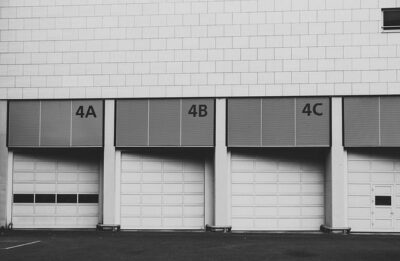
Warehouse operations depend heavily on functional garage doors for loading, unloading, and security. These large industrial doors create serious hazards when they malfunction or receive inadequate maintenance. Workers face daily risks from doors that can weigh hundreds or thousands of pounds.
This guide examines the most frequent injuries caused by faulty warehouse garage doors. We’ll also talk about how proper maintenance prevents these incidents.
Crushing Injuries From Falling Doors
Warehouse garage doors operate under tremendous tension and weight. When critical components fail, these doors can drop suddenly and violently. Springs that break without warning cause doors to lose support and fall. Cables that snap create the same dangerous situation. Workers standing beneath or near falling doors suffer devastating crush injuries.
The force of a falling industrial door can cause severe trauma to any body part it strikes. Head injuries from falling doors often result in skull fractures, traumatic brain injuries, and fatal outcomes. Shoulder and back injuries occur when doors strike workers from behind or above. Leg and foot injuries happen when doors fall on workers positioned near the opening. Many warehouse facilities require professional services like a garage door replacement Thornton CO to ensure their industrial doors meet current safety standards and operate reliably.
According to OSHA, improper maintenance of industrial doors contributes to thousands of workplace injuries annually. Regular inspection of springs, cables, and support mechanisms reduces falling door incidents significantly. Facilities must implement lockout tagout procedures during maintenance to prevent accidental door operation. Warning systems that alert workers to door movement provide additional protection against crushing injuries.
Entrapment and Amputation Hazards
Modern warehouse doors include multiple moving parts that create pinch points throughout their operation. Chains, rollers, and track systems move with considerable force during opening and closing cycles. Workers who place hands or fingers near these mechanisms risk serious entrapment injuries. The door’s momentum continues even after workers become caught, causing progressive crushing and potential amputation.
Automatic sensors designed to stop doors when they encounter resistance sometimes fail or receive improper calibration. Doors that lack functional safety sensors continue moving despite contact with objects or people. Workers attempting to pass under closing doors get trapped when sensors malfunction. Clothing or equipment caught in door mechanisms can pull workers into dangerous positions.
Panel joints on sectional doors create particularly dangerous pinch points as sections fold during operation. Fingers placed between panels during closing get crushed with thousands of pounds of pressure. Workers who attempt to manually guide or stop moving doors frequently suffer hand and finger injuries. Amputation injuries from garage door mechanisms require immediate emergency response and often result in permanent disability.
Struck By Injuries From Door Components
Broken springs under high tension become projectiles when they fail. These metal components can strike workers with lethal force. Spring fragments travel at high speeds and cause penetrating injuries to anyone in their path. Workers performing maintenance near doors face elevated risk from component failures. Improper tensioning during installation or repair increases the likelihood of catastrophic spring failures.
Falling hardware presents another hazard in warehouse environments. Bolts, brackets, and mounting hardware that work loose from vibration eventually fall. Workers below doors when hardware fails suffer head injuries from falling metal parts. Track sections that separate from mounting points drop onto workers and equipment. Regular inspection of all mounting hardware prevents these incidents.
Door panels themselves can become projectiles during violent failures. Winds, impacts, or mechanical failures sometimes cause panels to separate from track systems. Loose panels swing outward or fall, striking anyone nearby. The weight and size of industrial door panels make these incidents particularly dangerous. Proper installation and regular structural inspections identify weakened panels before catastrophic failures occur.
Strain and Overexertion Injuries
Workers who manually operate malfunctioning automatic doors face significant physical strain. Doors designed for powered operation require excessive force when motors fail. Employees attempting to open jammed or stuck doors often suffer back injuries from overexertion. Shoulder strains and muscle tears result from pulling or pushing doors that should move easily under power.
Repetitive manual operation of heavy doors causes cumulative trauma over time. Workers who bypass broken automatic systems and manually operate doors daily develop chronic conditions. Lower back problems from repeated heavy lifting affect workers who compensate for broken door openers. Shoulder and arm injuries accumulate from the unnatural motions required to move heavy industrial doors.
Emergency situations create additional strain hazards when doors malfunction. Workers who must manually open doors during power failures or equipment breakdowns rush and use poor body mechanics. The urgency of loading or unloading operations causes workers to ignore safe lifting techniques. Facilities that lack backup power systems for critical doors put workers at elevated risk during emergencies.
Electrical Shock Hazards
Industrial garage door systems operate on high voltage electrical circuits. Exposed wiring from damaged door operators creates shock hazards for workers and maintenance personnel. Water intrusion into electrical components increases the risk of dangerous shorts and ground faults. Workers who perform unauthorized repairs on electrical systems face electrocution risks.
Improper grounding of door operators causes equipment frames to become energized. Workers who touch affected doors or operators receive serious electrical shocks. Moisture in warehouse environments combined with electrical faults creates particularly dangerous conditions. Rust and corrosion on electrical connections increase resistance and create heat that damages insulation.
Metal doors in contact with faulty electrical systems conduct dangerous voltages across their entire surface. Workers who lean against or touch energized doors complete circuits to ground through their bodies.
Impact Injuries From Unexpected Movement
Doors that move without warning cause workers to fall, jump, or run into obstacles. Faulty sensors that trigger door operation at inappropriate times create startle responses. Workers who expect doors to remain stationary lose balance when doors suddenly move. Falls from loading docks occur when doors move unexpectedly, and workers step backward in surprise.
Control system malfunctions cause doors to reverse direction suddenly during operation. Workers positioned near doors during unexpected reversals get struck or knocked down. Equipment operators moving through doorways suffer impacts when doors close prematurely. Forklifts and other machinery collide with doors that activate at the wrong time.
Remote control systems that activate doors without visual confirmation create serious hazards. Workers near doors cannot anticipate movement when operators trigger doors from distant locations. Facilities must implement clear communication protocols before anyone activates industrial doors remotely. Visual and audible warnings before door movement give workers time to clear danger zones.
Conclusion
Warehouse garage doors present numerous injury hazards when they malfunction or receive inadequate maintenance. Crushing injuries from falling doors, entrapment in moving mechanisms, and struck by incidents from failed components represent the most severe risks. Strain injuries from manual operation, electrical shocks from faulty wiring, and impact injuries from unexpected movement add to the danger. Facilities must prioritize regular professional inspections, immediate repair of defects, and comprehensive worker training.
Proper maintenance and safety protocols prevent the majority of garage door injuries in warehouse environments. Investment in quality equipment and professional service protects workers and reduces liability exposure for warehouse operators.




