










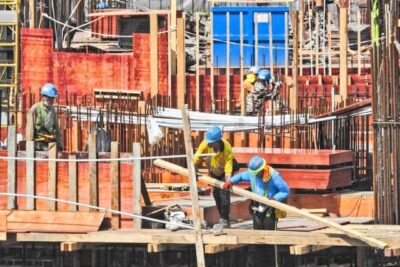
Walk onto any construction site, and you’ll see skilled professionals building the infrastructure that shapes our cities. But behind the hard hats and steel-toed boots, many of these workers are fighting a different kind of battle—one that doesn’t involve heavy machinery or tight deadlines. It’s the constant struggle of financial insecurity, and it’s costing the construction industry far more than most people realize.
The hidden price isn’t just about empty bank accounts or missed payments. It shows up in workplace accidents, mental health crises, and talented workers leaving the trades altogether. When construction professionals can’t build financial stability for themselves, everyone pays the price.
Understanding Financial Vulnerability in Construction Jobs
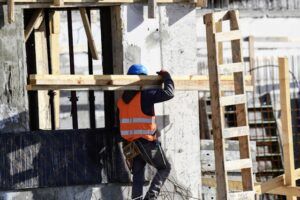
The Nature of Construction Employment
Construction work isn’t like your typical office job. There’s no guarantee you’ll have steady work year-round. Winter months can be brutal for outdoor projects. When one job wraps up, there might be weeks before the next one starts. And if you’re working as a contractor rather than a permanent employee, those gaps hit even harder.
The paycheck might look decent during the busy season, but it needs to stretch through the lean months too. That’s a balancing act many workers struggle with, especially when unexpected expenses pop up.
Why Construction Workers Face Unique Financial Pressures
Let’s be real—construction work demands a lot from your body and your wallet. Unlike office workers who show up with just a laptop, construction professionals often need to invest in their own tools and equipment. That’s hundreds or thousands of dollars before you even earn your first paycheck.
Then there’s the physical toll. One bad fall, one repetitive stress injury, and suddenly you’re facing medical bills while your income disappears. Most construction workers don’t have the luxury of paid sick leave or short-term disability insurance through their employer.
Transportation costs add up quickly too. Job sites change constantly, sometimes requiring long commutes or even temporary relocation. And when financial emergencies strike—whether it’s a car breakdown, medical crisis, or family emergency—many construction professionals look for emergency loans at Singsaver and similar platforms to bridge the gap. It’s not ideal, but sometimes it’s the only option to keep the lights on while waiting for the next paycheck.
The frustrating part? Many construction companies don’t offer financial wellness programs or even basic financial education. Workers are left to figure it out on their own.
The Psychological Toll of Living Without Financial Cushion
Stress and Mental Health Impact
Here’s what nobody talks about enough: the constant worry of living paycheck to paycheck doesn’t stay home when you head to the job site. It follows you everywhere.
Construction workers dealing with financial stress report trouble sleeping, constant anxiety about bills, and tension in their family relationships. When you’re lying awake at three in the morning wondering how you’ll cover rent, you’re not going to be sharp and focused when you’re operating heavy equipment the next day.
The mental load of financial insecurity affects decision-making too. Should you fix your truck or pay the electric bill? Can you afford to take a day off when you’re feeling sick? These aren’t just stressful questions—they’re impossible choices that wear people down over time.
The Productivity Connection
Financial stress doesn’t just hurt workers—it hurts productivity. Studies show that employees worried about money spend hours each week at work dealing with financial issues or simply being too distracted to focus properly.
On a construction site, that distraction is dangerous. Missed measurements, forgotten safety checks, poor communication with team members—these small mistakes compound quickly. And the employers end up paying for it through project delays, rework, and increased insurance costs.
Safety Compromises Driven by Financial Desperation
This is where financial insecurity gets truly dangerous.
Working Through Injuries
Too many construction workers push through pain because they can’t afford to stop working. That nagging back pain? They’ll wrap it up and keep going. The wrist that’s been hurting for weeks? Pop some painkillers and carry on.
This isn’t about being tough—it’s about survival. When missing a week of work means you can’t pay rent, you work through injuries that should absolutely be treated. The problem is that minor injuries become major problems, and suddenly you’re facing surgery and months of recovery instead of a few days of rest.
Cutting Corners on Safety Equipment
Quality personal protective equipment costs money. When workers are struggling financially, they might stretch their safety gear longer than they should. Worn-out gloves, boots with compromised steel toes, harnesses that should have been replaced last year—it’s all a gamble driven by financial pressure.
Some workers even take on extra jobs that push them past the point of exhaustion. Working twelve-hour days, seven days a week might boost the bank account temporarily, but fatigue is a major cause of construction accidents.
Accepting Unsafe Work Conditions
Financial desperation also makes workers less likely to speak up about safety violations. When you need the job badly enough, you might ignore red flags about an employer’s safety standards. You might not report violations because you fear retaliation or job loss.
This creates a race to the bottom where the least scrupulous contractors can undercut competitors by skimping on safety, knowing desperate workers will accept the conditions.
Economic Ripple Effects Beyond the Individual Worker
The damage spreads far beyond individual workers.
Impact on Families and Communities
When construction workers struggle financially, their families feel it directly. Kids might miss out on educational opportunities. Families face housing instability, moving frequently or living in inadequate conditions. The stress affects everyone in the household.
In communities where construction is a major employer, widespread financial insecurity among workers affects local businesses, schools, and healthcare systems. It’s not just a personal problem—it’s a community challenge.
Industry-Level Consequences
The construction industry is already facing a skilled labor shortage, and financial insecurity makes it worse. Young people look at the financial instability and choose other career paths. Experienced workers leave the trades for more stable employment.
High turnover means companies constantly spend money training new workers who might not stick around. Projects face delays because there aren’t enough skilled workers to complete them. The industry’s reputation suffers, making recruitment even harder.
Building Better Financial Resilience Systems
So what’s the solution?
Individual-Level Strategies
Construction workers need to prioritize building emergency savings during high-earning periods, even if it’s just small amounts. Financial literacy specifically tailored to construction work—understanding tax obligations for contractors, planning for seasonal income variations—makes a huge difference.
Professional organizations and unions often offer resources that individual workers might not know about. It’s worth exploring what’s available.
Employer and Industry Initiatives
Forward-thinking construction companies are implementing financial wellness programs. Some offer earned wage access, letting workers access their earned pay before the traditional payday. Others provide financial counseling or partner with organizations that offer emergency assistance.
Benefits portability—where benefits follow workers across different projects and employers—could revolutionize construction employment. Some unions are already working on these systems.
Conclusion
Financial insecurity in construction isn’t just about workers struggling to pay bills—though that’s certainly part of it. It’s about the safety compromises that lead to preventable accidents. It’s about the mental health crisis brewing beneath the surface. It’s about talented professionals leaving an industry that desperately needs them.
The hidden costs show up in insurance claims, project delays, recruitment challenges, and lives derailed by preventable financial crises. But here’s the thing: these problems are solvable. With individual action, employer commitment, and industry-wide initiatives, we can build a construction workforce that’s not just skilled, but financially stable too.
Because at the end of the day, workers who aren’t constantly worried about making rent are workers who can focus on building safely, efficiently, and with pride in their craft.
FAQs
Why is financial insecurity more common in construction than other industries?
Construction combines several challenging factors: seasonal and project-based work patterns, lack of traditional benefits, physical demands that can lead to injury, and the need for workers to invest in their own tools. Many construction jobs are contract-based rather than permanent, creating income uncertainty that office workers rarely face.
How does financial stress actually affect safety on construction sites?
Financial stress reduces cognitive function and focus, making workers more prone to mistakes. It also drives dangerous behaviors like working through injuries, skipping rest days despite fatigue, using inadequate safety equipment, and not reporting safety violations for fear of job loss. Distracted, exhausted, or desperate workers make errors that lead to accidents.
What can construction workers do to protect themselves financially?
Start by building even a small emergency fund during busy seasons. Take advantage of any union or professional organization benefits available. Consider income smoothing strategies that spread high earnings across lean months. Invest in proper insurance coverage, including disability insurance. Most importantly, don’t wait until crisis hits to explore financial resources and support systems.
How can construction companies support worker financial wellness?
Companies can offer earned wage access programs, financial counseling services, and emergency loan programs with reasonable terms. Providing consistent scheduling when possible helps workers plan financially. Some employers are exploring benefits portability solutions and partnering with organizations that offer emergency assistance. Even basic financial literacy training tailored to construction realities makes a significant difference.




