




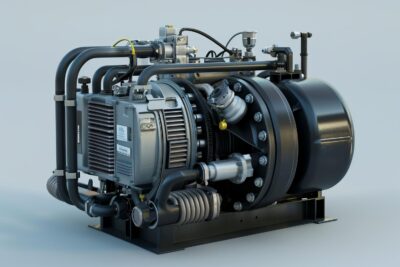
Selecting an air compressor supplier is a critical decision beyond a simple transaction. The right partner is integral to a project’s success, influencing everything from initial setup and operational efficiency to long-term maintenance costs and downtime. This decision carries significant weight, as compressed air is typically the lifeblood of industrial operations, powering essential tools, machinery, and processes.
A poor choice can lead to persistent operational headaches, while a strategic partnership ensures reliability, productivity, and a strong return on investment. Therefore, a meticulous evaluation of potential suppliers is paramount.
Read on to learn what to look for in an air compressor supplier for your projects.
Technical Expertise and Product Knowledge
A supplier’s depth of technical expertise is the cornerstone of a valuable partnership. This goes beyond simply having a catalog of products as it involves a profound understanding of low-pressure and high-pressure compressor systems, their industrial applications, and their engineering principles.
Prospective suppliers should also employ certified compressed air engineers or specialists capable of conducting a detailed analysis of a project’s requirements. They must ask probing questions about air demand (CFM or l/s), required air pressure (PSI or bar), air quality needs, such as the need for dryers, air filters, and the operating environment. This expertise allows them to provide expert recommendations not just a compressor, but a complete, optimized system, including appropriate receivers, dryers, filtration, and piping considerations, that is correctly sized for both current and future needs. A supplier lacking this consultative approach may undersell or oversell equipment, leading to inefficiency, premature wear, and increased energy costs.
Therefore, for your projects requiring a reliable compressed air source, partnering with a seasoned expert specializing in Compressed Air can make a substantial difference in achieving operational goals.
Comprehensive Product Range and Quality
The ideal supplier should represent a portfolio of high-quality equipment from reputable manufacturers. A diverse product range can indicate an ability to provide solutions tailored to different applications, rather than forcing a one-size-fits-all approach. This range should encompass various compressor technologies, power sources, and configurations.
Furthermore, the quality of the equipment is non-negotiable. Investigate the brands the supplier carries, such as asking questions whether they’re known for durability, innovation, and energy efficiency. High-quality components may have a higher initial purchase price but typically offer lower total cost of ownership through reduced energy consumption, less frequent repairs, and longer service life. A supplier aligned with top-tier manufacturers can demonstrate a commitment to quality and reliability.
After-Sales Service and Support
The relationship with a supplier can intensify after the sale is complete. The availability and quality of after-sales service are typically more critical than the purchase itself. A compressor is a long-term investment; its performance depends on regular maintenance and prompt repairs.
Some key service elements to evaluate include:
- Preventive Maintenance Programs: These involve structured service agreements that include scheduled inspections, parts replacement, and performance checks to prevent unexpected failures.
- Emergency Repair Services: These include a clear and responsive protocol for handling breakdowns, including 24/7 availability for critical applications.
- Parts Inventory: This includes a well-stocked local inventory of common wear parts to minimize equipment downtime during repairs.
- Trained Technicians: This comprises a technical team of factory-trained and certified service engineers who possess the specific knowledge to work on the supplied equipment correctly and safely.
A supplier without a strong service backbone can leave projects vulnerable to prolonged and costly operational interruptions.
Energy Efficiency and Sustainability Consulting
Compressed air systems are notoriously energy-intensive, typically representing a significant portion of a facility’s electricity bill. Consequently, a forward-thinking supplier must prioritize energy efficiency and offer sustainable solutions.
Hence, look for a partner that conducts energy audits and can provide data on the efficiency of their equipment, often measured in specific power (kW/100 CFM). They should be well-versed in variable speed drive (VSD) technology, which can dramatically reduce energy consumption by matching compressor output to real-time demand.
Lastly, they should advise on heat recovery systems, which capture waste heat from the compression process for use in other facility areas. A supplier focused on sustainability can help reduce the environmental footprint and deliver substantial long-term cost savings.
Reputation and Proven Track Record

A supplier’s reputation within the industry can be a powerful indicator of their reliability and customer satisfaction. Investigate their history by reviewing case studies, requesting customer references, and checking online testimonials.
A proven track record with projects of a similar scale and complexity is particularly valuable. A supplier that has successfully served other businesses in the same industry will likely understand unique challenges and requirements. Longevity in the market can also suggest stability and a commitment to their customer base. A company with a strong, positive reputation will likely earn it through consistent performance and customer care.
Conclusion
Choosing an air compressor supplier is a strategic decision with long-lasting implications for any project’s efficiency, budget, and operational continuity. By keeping the information mentioned above in mind, you can forge a partnership that delivers far more than just equipment. You secure a knowledgeable ally dedicated to ensuring your compressed air system operates at peak performance to support project goals and contribute to overall productivity and profitability for years to come.




