









Don’t let winter weather spoil the start of a new year for your commercial facility. Proper facility preparation and maintenance are as important to businesses as payroll and purchasing. Extreme cold weather can not only disrupt business operations, it can also lead to structural damage to buildings as a result of excessive snow loads or water damage from frozen pipes.
Unfortunately, many businesses and facilities do not have a winter emergency plan, leaving them particularly vulnerable and increasing the likelihood of being unable to reopen following a severe weather event.
Since determining where to start can be stressful, the Insurance Institute for Business & Home Safety (IBHS) developed a free online resource, Winter Weather Ready, to guide preparation of commercial buildings ahead of freezing temperatures.
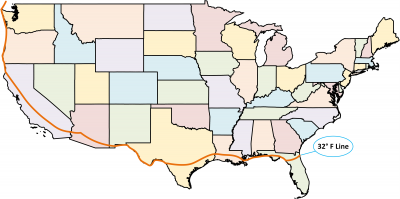
Assessing businesses’ exposure is the first step, as severe winter weather is a risk for many facilities across the country, including portions of the typically warmer southern United States. Areas in the continental United States north of the 32°F line should prepare for severe winter weather.
IBHS also offers a free business continuity planning toolkit called OFB-EZ to help businesses outline needs and actions ahead of a potentially disruptive event. OFB-EZ helps businesses continue to perform critical operations, which will help reduce short- and long-term losses to the bottom line.
The roof as the first line of defense
As the first line of defense against severe weather, it is important to take care of a building’s roof. Excessive snow and ice on your roof can add a dangerous load to the supporting structure. The following conditions add approximately five pounds per square foot on a roof:
- 10–12 inches of new snow
- 3–5 inches of packed/old snow
- 1-inch of ice
The accumulated weight of two feet of old snow plus two feet of new snow could be as high as 60 pounds per square foot of roof space, which could stress the limits of even the most conservatively designed roof. If the snow load exceeds 20–25 pounds per square foot, the snow should be removed. If you don’t know your roof’s snow load, hire a structural engineer to verify the snow load threshold of the roofing system ahead of a winter weather event.
Additional Winter Weather Ready guidance
In addition to knowing your roof’s maximum snow load, other actions can be taken before a winter weather event to reduce the chance of costly damage:
- Have multiple ways to receive reliable weather information, including reports from the National Weather Center and local meteorologists.
- Inspect the roof for damage or leaks.
- Insulate exterior pipes, especially those that enter a building above ground.
- Inspect and repair cracks, holes and leaks in windows, doors and other openings on exterior walls with caulk or insulation.
- Clear debris from gutters and downspouts.
- Service generators and have plenty of fuel on hand.
- Trim bushes and trees away from the building.
- Confirm scheduled services, especially for critical needs such as snow removal or delivery of a portable generator rental.
- Keep the building’s internal thermostat set to at least 55°F (12.8°C) to prevent pipes from freezing.
After a winter weather event occurs, follow these steps to evaluate facility conditions and operations:
- Assess snow and ice accumulation. Monitor the roof’s snow load to ensure it does not exceed maximum capacity.
- If it is safe, remove snow and ice from the parking lot and sidewalks.
- Observe signs of damage, such as creaking sounds, a sagging roof, cracks in the ceiling or walls, water stains, and doors or windows that no longer open and close correctly.
- Place ice melt/salt on the ground to prevent slips and falls.
- Secure non-slip mats in front of entryways to prevent slipping.
- If you have damage, contact your insurance agent and keep receipts and documentation for services conducted.
- Take photos and videos to document any losses and upload into cloud storage so you can access information from anywhere.
For more ways to be Winter Weather Ready, go to disastersafety.org/winter-weather/.
Authored by:
Christopher Cioffi
Commercial Programs Manager
Insurance Institute for Business & Home Safety
*Featured Image Courtesy: Insurance Institute for Business & Home Safety
* All areas in the continental United States north of the 32°F line should be prepared for severe winter weather




