










You’ve closed a deal on a renovation project, and the excitement is real. But alongside all the planning and creativity, ensuring the safety of everyone involved—workers, future occupants, and passersby—is beyond critical. This factor can’t be overlooked as it directly affects the well-being of everyone involved.
Let’s go over the key safety checks that need to be in place to ensure a smooth and efficient process.
1. Identify and Address Asbestos Risks
Old buildings often hide dangerous surprises within their walls. One common risk is asbestos, which was widely used in construction materials. In fact, over 60 countries have banned asbestos due to its harmful impact on human health. Prolonged exposure to this harmful substance may lead to lung cancer and mesothelioma. (1)
Since asbestos fibers are microscopic and can’t be seen with the naked eye, detecting their presence requires specialized tools and knowledge. Companies like Sydney Asbestos provide expert testing and removal services. These professionals are trained to collect samples from areas commonly affected by asbestos, such as insulation, floor tiles, roofing, and textured ceilings.
Find out more on our testing services so you’ll have a clear idea of how we can help identify asbestos in a property. Our process follows strict protocols to protect everyone’s health.
2. Evaluate the Structural Integrity
Next is the stability of the commercial building. A 2022 report shows nearly one in five workplace fatalities happened in the construction sector. Of those deaths, 38.4% were caused by slips, falls, and trips. That’s a number you can and should work to reduce. (2)
A thorough structural evaluation stands as your first line of defense here. Some common red flags are cracks and unstable flooring. But these two factors are just the beginning of the assessment. It still needs a detailed inspection.
Professional engineers must examine foundation integrity and potential weak points throughout the building. They must check load-bearing elements such as walls, beams, and columns. Think of it as getting a complete physical for the building. It might take time, but it’s absolutely necessary.
3. Verify Building Codes and Permits
Every renovation project must comply with local building permits and codes, which dictate safety standards for everything from electrical systems to fire exits. Skipping this step can result in hefty fines or being forced to halt construction altogether.
Here are the things you need to ensure:
- The design aligns with zoning laws and code requirements.
- Necessary permits have been obtained before starting.
Make it a point to consult with a qualified contractor or architect who’s well-versed in local laws. The goal here is to ensure that every aspect of the project meets legal requirements. This can save you headaches and potential trouble later on.
4. Secure the Construction Site
Think of this: your commercial renovation project is humming along, but it’s not just your workers who are at risk. What about those bustling streets and busy sidewalks around your site? They’re potential danger areas, too.
Construction zones are unpredictable stages where anyone can accidentally become an unintended actor. A falling tool or an unexpected hazard can turn a routine walk into a potential accident.
Check out these key actions to take:
- Install sturdy, visible perimeter fencing.
- Use clear warning signs and bright safety markers.
- Ensure pathways remain clear and well-marked.
- Place barriers to prevent unauthorized entry.
- Use protective netting or screens to catch potential falling objects.
- Provide adequate lighting around the site, especially if work continues at night.
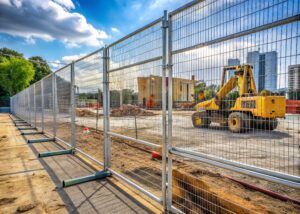
Don’t forget PPE or personal protective equipment for your workers. Make sure that everyone is equipped with the appropriate gear, such as hard hats, safety glasses, and high-visibility vests. These can be crucial in preventing accidents and saving lives.
5. Monitor Weather Conditions
Weather conditions are one of the main reasons why 45% of construction projects globally get delayed. Rain, snow, or extreme heat can create unsafe working environments for workers and machinery. (3)
What you can do is monitor the forecast and adjust schedules accordingly. Wet surfaces, for example, increase the risk of slips, while high winds can make scaffolding unstable. You can use weather apps or services that provide real-time updates. This helps you plan work around adverse conditions.
Taking the weather into account ensures your project stays safe and avoids unnecessary delays.
6. Implement Waste Disposal Practices
Let’s talk about something that’s not exciting but vital: managing waste. Construction works are often messy, with debris, leftover materials, and discarded items piling up quickly. Improper disposal can pose environmental hazards and even legal issues.
Innovative waste management is like having a well-organized playbook. Here’s how the pros do it:
- Segregate materials for recycling—metals, wood, and concrete can often be repurposed.
- Place dumpsters strategically; accessible but out of high-traffic zones.
- Use color-coded containers for different types of waste.
- Partner with local recycling centers to reduce environmental impact.
Think of waste management as more than cleanup. It’s more on responsibility, safety, and sustainability.
7. Create an Emergency Response Plan
No matter how much you prepare, unexpected situations can arise. Having a clear emergency response plan in place helps everyone on-site know what to do if an accident occurs.
These are the measures to include in your plan:
- Identify evacuation routes and emergency assembly points.
- Post contact numbers for local authorities.
- Train workers on responding to specific emergencies (e.g., fire, equipment failure).
- Keep first-aid kits readily available and ensure staff are trained to use them.
Clear communication is important in this matter. Be sure everyone on-site knows what to do if something goes wrong. A well-prepared team can act swiftly in an emergency, minimizing harm and disruption, while also staying informed about exposure-related illnesses through trusted resources like Mesothelioma Hope.
Wrapping Up
The success of your commercial renovation project really comes down to sticking to strict safety standards. There’s no room for compromise.
Always remember that a safe workspace is key to achieving a high-quality result and a productive environment throughout the project.
References:
1. “Asbestos: Exposure and Dangers”, Source: https://www.webmd.com/lung/asbestos-exposure
2. “A look at falls, slips, and trips in the construction industry”, Source: https://www.bls.gov/opub/ted/2024/a-look-at-falls-slips-and-trips-in-the-construction-industry.htm
3. “Weather-Related Construction Delays in a Changing Climate: A Systematic State-of-the-Art Review”, Source: https://www.mdpi.com/2071-1050/13/5/2861






