







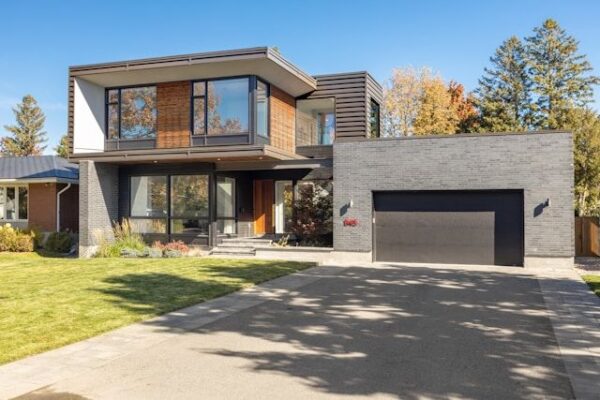
A good listing can make a house look polished, spacious, and ready for a buyer’s next chapter, but a good home has to prove itself beyond the photos. Buyers should look past the marketing language and ask whether the property truly supports daily routines, long-term comfort, maintenance expectations, location needs, and financial sense.
1. The Photos Show Appeal, but the Layout Shows Function
A listing may use bright images, careful staging, and wide-angle photography to make a home feel more impressive online, but the real test is whether the layout works when people actually live in it. A good home should have a natural flow from the entry to the living areas. This kitchen connects comfortably to daily activities, bedrooms are placed with privacy in mind, and there is enough storage where it is truly needed.
Buyers should imagine ordinary routines rather than just admiring the presentation. Carrying groceries inside, hosting guests, working from home, doing laundry, and getting ready in the morning will reveal whether the home is practical or simply photogenic.
Why this matters
A beautiful home can become frustrating if the rooms feel awkward, the storage is limited, or the layout creates daily inconvenience.
2. The Description Sounds Good, but the condition Tells the Truth
Listing descriptions often focus on words like “updated,” “charming,” “move-in ready,” or “well maintained,” but buyers should verify what those claims actually mean. Fresh paint and new fixtures can make a home feel improved, yet the roof, HVAC system, plumbing, electrical panel, foundation, windows, drainage, and insulation matter far more to long-term ownership.
A good home should have condition details that support the asking price. Buyers should ask when major systems were replaced, whether repairs were completed professionally, and whether documentation is available. A home does not need to be perfect, but its condition should be clear enough for buyers to understand what they are taking on.
Why this matters
Cosmetic updates can create excitement, but major systems determine comfort, safety, and future repair costs.
3. The Price Looks Attractive, but the Full Cost Has to Make Sense
A good listing may catch attention with a competitive asking price, but a good home has to fit the buyer’s complete financial picture. The purchase price is only one part of the decision, since taxes, insurance, utilities, maintenance, HOA fees, repairs, commuting costs, and future improvements can all affect affordability.
Buyers should compare the home with similar properties nearby and consider whether the price reflects condition, location, lot size, updates, and market demand. A lower price may seem appealing at first, but it can lose value quickly if the home needs expensive repairs or does not fit the buyer’s lifestyle.
Why this matters
The right home should feel financially comfortable after closing, not only attractive during the search.
4. The Neighborhood Has to Match the Life Around the House
A listing can make the home feel like the entire story, but the surrounding area often determines how satisfied buyers feel after moving in. In East and Northeast Texas, buyers may compare places such as Sulfur Springs, Mount Vernon, Mineola, and Quitman when seeking a balance of small-town character, outdoor access, local services, and a slower pace than in larger metro areas.
For buyers who want a home search shaped by community feel rather than only square footage, houses for sale in Winnsboro, TX, can enter the conversation in a meaningful way. The appeal is not just finding a property with the right number of bedrooms, but finding a home near local shops, open space, nearby lakes, and a town setting that can make everyday life feel more personal and grounded.
Why this matters
A home may look perfect online, but the neighborhood determines convenience, atmosphere, and long-term fit.
5. The Home Should Feel Good During a Second Look
A first showing can be emotional, especially when the home already looked strong online. The second look is where buyers often notice the practical details they missed, such as limited natural light, street noise, awkward parking, small closets, poor furniture flow, drainage concerns, or signs of rushed repairs.
A good home usually holds up under closer attention. Buyers should visit at a different time of day when possible, listen to the surrounding noise, check traffic patterns, look at neighboring properties, and walk through the home slowly without relying on the excitement of the first impression.
Why this matters
A second visit helps buyers separate real confidence from the temporary excitement created by a strong listing.
6. The Inspection Should Support the Story
A good listing tells a strong story, but a good inspection helps confirm whether that story is reliable. Even homes that appear clean and updated can have hidden issues in the attic, crawl space, roof, foundation, electrical system, plumbing, drainage, appliances, or HVAC equipment.
Buyers should treat the inspection as a decision-making tool, not a formality. The goal is not only to find problems but also to understand the home’s true condition, estimate future maintenance costs, and decide whether the purchase still makes sense. A home that survives inspection with reasonable findings becomes much easier to trust.
Why this matters
The inspection provides buyers with facts that photos, staging, and listing descriptions cannot.
The Buyer’s Real Advantage
The difference between a good listing and a good home comes down to proof. A listing can create interest, but the home itself has to earn trust through layout, condition, cost, location, repeat visits, and inspection results. Buyers who slow down and study these details are less likely to be distracted by presentation and more likely to choose a property that works after move-in day.
A strong home does not have to be flawless. It simply needs to make sense beyond the screen, support the buyer’s daily life, and offer enough confidence to turn interest into a smart decision.
Questions Buyers Ask About Choosing a Good Home
1. What is the biggest difference between a good listing and a good home?
A good listing is designed to attract attention, while a good home proves its value through condition, layout, location, affordability, and long-term practicality.
2. Should buyers trust listing photos?
Listing photos are useful, but they should not be treated as the full picture. Buyers should verify room size, layout, exterior condition, neighborhood setting, and any missing details during a showing.
3. What should buyers check first during a home tour?
Buyers should first check the layout, natural light, storage, signs of maintenance, room flow, and whether the home feels practical for daily routines.
4. Why is the neighborhood so important?
The neighborhood affects commute times, convenience, noise, safety, recreation, resale appeal, and overall quality of life, which can matter as much as the home itself.
5. Can a home look updated but still have problems?
Yes. Cosmetic updates can hide older systems, poor repairs, drainage issues, roof problems, or structural concerns, which is why inspections and documentation are important.
6. How can buyers avoid being misled by a strong listing?
Buyers should ask direct questions, visit the property in person, compare similar homes, review costs carefully, schedule an inspection, and avoid making decisions based only on photos or staging.






