










You’ve just wrapped up a major construction project. Everything looks amazing. The floors shine. Windows sparkle. That new building smell fills every room.
Here’s what happens next. Within weeks, that perfect condition starts slipping away. Dust settles. Scuff marks appear. Coffee spills stain the new carpet. Most spaces lose their shine fast without proper care. Professional janitorial and office cleaning solutions prevent this decline completely. You just need the right systems running from day one.
Set Up Daily Cleaning Routines
Small messes turn into big problems when you ignore them. Dust builds up faster than most people realize. Dirt gets tracked through your entrance dozens of times daily. A solid routine catches these issues early.
Clean High-Touch Surfaces Every Day
Door handles get touched constantly throughout the day. Light switches too. Your reception desk sees hundreds of interactions. These surfaces collect germs at an alarming rate.
You can’t skip these areas even once. Restrooms need attention multiple times per day. Break rooms get messy after every lunch rush. Kitchen spaces need wiping down after heavy use periods. Your staff stays healthier when these spots get regular attention.
Take Floor Care Seriously
Floors suffer more abuse than any other surface. Entry mats catch incoming dirt but only work when maintained. Vacuum carpets every single evening. Mop hard floors before closing up each night.
This sounds basic because it is. Most facilities skip it during busy weeks though. That decision costs real money down the road. Properly maintained floors last three times longer than neglected ones do.
Take out trash before bins start overflowing. Old food smells drive away customers and employees alike. Swap out liners immediately and keep recycling bins sorted correctly. The Environmental Protection Agency confirms that proper waste management cuts health risks in commercial buildings.
Pay Extra Attention to Heavy Traffic Zones
Different areas get different levels of use. Some spots see constant activity. Others stay quiet most days. Match your cleaning schedule to actual traffic patterns.
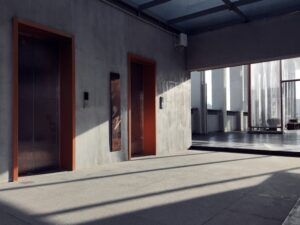
Lobbies wear out first in nearly every building. Main hallways come next. Elevator areas get touched hundreds of times daily. These spots show wear much faster than back offices.
Entry points need year-round special treatment. Mats trap dirt well but only when you clean them weekly. Replace mats seasonally as weather changes. Glass entrance doors show every single fingerprint within hours.
Focus your daily efforts on these busy areas:
- Main lobby: Wipe all surfaces and clean floors twice daily
- Elevators: Clean buttons and walls several times during busy hours
- Meeting rooms: Sanitize tables after each group leaves
- Staff break areas: Clean counters after morning coffee and lunch periods
- Primary hallways: Sweep or vacuum every evening consistently
Meeting rooms get booked solid some days. Walk through after each session ends. Spills happen all the time. Coffee leaves rings. Crumbs fall everywhere. Quick cleanup stops permanent furniture damage.
Open offices need consistent daily work. Private offices can stretch a bit longer between cleanings. Don’t ignore them completely though. Dust appears whether rooms get used or not.
Plan Intensive Deep Cleaning Sessions
Daily work only handles surface cleaning. You need deeper sessions that reach hidden areas. Schedule these at least four times yearly.
Deep Clean Carpets and Floors
Carpets trap dirt way down in their fibers over time. Vacuuming helps but doesn’t fix the real problem. Steam cleaning extracts particles buried deep inside. Most commercial carpet needs this every three to six months minimum.
Hard floors need more than daily mopping provides. Tile needs stripping and fresh finish applied yearly. This removes old wax and adds new protective layers. Wood floors require professional refinishing every few years based on traffic.
Concrete looks tough but it’s actually porous. Seal it regularly to block stains from soaking in. Unsealed concrete absorbs spills and looks dirty no matter how much you clean.
Get Windows Really Clean
Dirty windows make your whole building look bad from outside. Clean exterior glass every three months in most areas. Interior windows can wait six months between cleanings. Include tracks and sills during these sessions. Dust and bugs pile up there fast.
Handle Different Materials Correctly
Each material type needs specific care. Wrong products damage expensive finishes permanently. Wood and stone require different approaches. Metal needs special products too. Train staff on these differences or hire people who already know.
Different surfaces in your building need these specific approaches:
- Natural stone and tile: Use only pH-neutral cleaners on stone surfaces. Acidic products etch marble and granite for good. Seal stone yearly without fail. Grout stains easily and needs separate scrubbing.
- Metal finishes: Each metal requires different cleaning products. Regular cleaners streak stainless steel badly. Use formulas made for specific metals. Brass and bronze tarnish without consistent polishing.
- Wood finishes: Check if wood is sealed before you start cleaning. Sealed wood handles damp mopping fine. Unsealed wood warps from moisture exposure. Damp cloths work best for furniture. Dry immediately after wiping down.
- Glass and mirrors: Microfiber cloths prevent streaks on glass surfaces. Squeegees work even better for large areas. Paper towels leave lint everywhere. Ammonia cleaners damage tinted or coated glass completely.
Keep Air Quality High
Dirty surfaces jump out at people immediately. Bad air affects health just as much but more slowly. Poor quality air makes staff sick more often. Work output drops noticeably. The Occupational Safety and Health Administration links better ventilation to improved productivity at work.
Maintain Your HVAC Properly
Your system filters all air moving through the building. Clogged filters block airflow and spread dust constantly. Check filters monthly every single time. Replace them quarterly at minimum. Busy facilities need monthly swaps during peak seasons.
Put these dates on a calendar you actually look at. Set reminders on your phone if needed. Forgetting filter changes costs money two ways. Energy bills climb higher. Equipment breaks down sooner too.
Ductwork collects debris over years of operation. Clean ducts every three to five years for standard offices. Restaurants need this more frequently. So do manufacturing spaces. Clean ducts improve air quality and efficiency together.
Stop Mold Before It Starts
Control moisture levels to prevent mold growth completely. Check bathrooms and kitchens weekly for dampness. Fix leaks the same day you spot them. Water problems only get worse over time. Small drips become major mold issues within weeks.
Basements need dehumidifiers running constantly. Areas with poor airflow do too. Mold grows in damp places even when you can’t see it yet.
Create a Plan That Actually Works
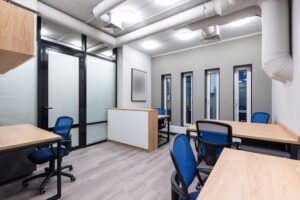
Good programs need consistent work every single week. Assign tasks to specific people on your team. Write down who handles what and when exactly. Review completion records weekly to catch missed tasks.
Check your entire program every three months. Adjust based on real conditions in your building. Some areas might need more work. Others might need less attention. Your first plan rarely matches actual needs perfectly.
Budget enough money for proper cleaning from the start. Cutting costs leads to expensive repairs later on. Professional services often cost less than you’d expect. Calculate what internal staff really costs first. Factor in wages, benefits, supplies, equipment, and training hours. Then compare that total to service company quotes.






