







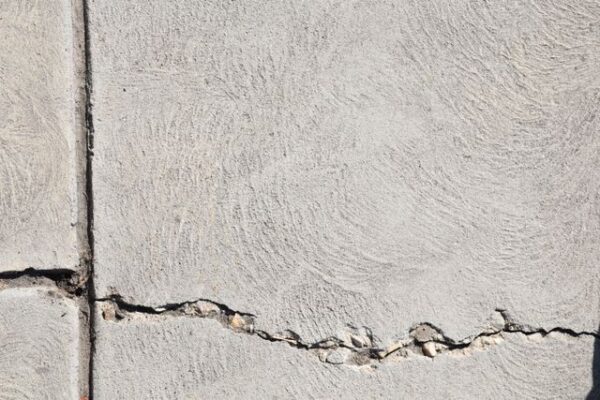
Your home’s foundation faces many threats that can affect its stability. Soil movement, moisture, plumbing leaks, and poor maintenance are common sources of damage. However, you don’t have to wait for foundation and basement problems to occur before you take action.
Protecting it does not always require major work. Regular maintenance and paying attention to changes around your property can prevent small issues from becoming more serious. Here are five tips to reduce your home’s foundation damage.
Inspect the Foundation Regularly
Periodically checking your foundation helps you notice changes earlier. This includes both the interior and exterior of your home. Look for signs such as:
- New cracks in foundation walls or floors
- Cracks that appear to be getting larger
- Walls that appear to bow or lean
- Gaps developing around windows or door frames
Not every crack will mean a serious structural problem. However, when you note every change, it is easier to know when professional evaluation is required.
Address Plumbing Leaks
Plumbing problems can affect a foundation even when there are no obvious signs of water entering from outside. A leaking pipe beneath the house can saturate the surrounding soil. This can contribute to soil movement or erosion. You can avoid this by paying attention to telltale signs such as:
- Increases in water bills
- Damp areas
- Musty odors
- Peeling paint
- Efflorescence
Do not try to fix a serious plumbing problem yourself if you are unsure where the leak is coming from or how extensive the damage may be. A professional experienced in foundation repair and waterproofing can locate hidden leaks and determine the next move.
Nowadays, companies use no-dig trenchless plumbing technology combined with other methods. They come in handy if you are still using the old system. You can easily protect your home foundation without damaging your interior cosmetics.
Maintain Your Sump Pump
Your home will benefit from a functioning sump pump. This will ensure your home is protected from water damage. This is especially important if you live in a location where groundwater seepage is a common problem.
Test your pump periodically. This way, you can make sure it activates properly. Keep the pit clean and ensure the discharge pipe moves water away from the house. A backup pump or battery system may also provide additional protection during power outages.
Conduct Repairs Promptly
When you notice any sign of damage, do not just ignore it. Have it investigated instead of waiting for the problem to become impossible to overlook. For instance, if you notice a crack, your aim should be to understand what is causing the issue. It is also wise to consult a professional before attempting to fix the problem alone. Prompt repairs can help you:
- Prevent minor damage from spreading
- Reduce the chance of water-related problems
- Avoid more expensive repairs later
- Protect other parts of the home
- Catch developing structural issues early
Unsolved problems can lower your property value and can also be a safety concern.
Keep Gutters Clean
Gutters collect and direct rainwater away from your home. When clogged, however, water can overflow and soak the soil around the foundation. Over time, this exposure can lead to soil erosion, foundation movement, and cracking.
In addition, trim trees around your home. Overgrown branches can damage your roof and gutters, especially during storms. If a large tree is growing close to your house, consider seeking help from an arborist who can help determine whether trimming or cutting is an ideal solution.
Endnote
Protecting your home’s foundation is crucial to protect your investment while ensuring its stability for years to come. You don’t have to be handy to achieve this. You only need to adopt simple habits such as cleaning gutters, managing drainage, and not overlooking the telltale signs of changes around your home. Common foundation problems are often easier to address when identified early. Being proactive will help protect your home’s structural stability and avoid preventable major repair projects.






