










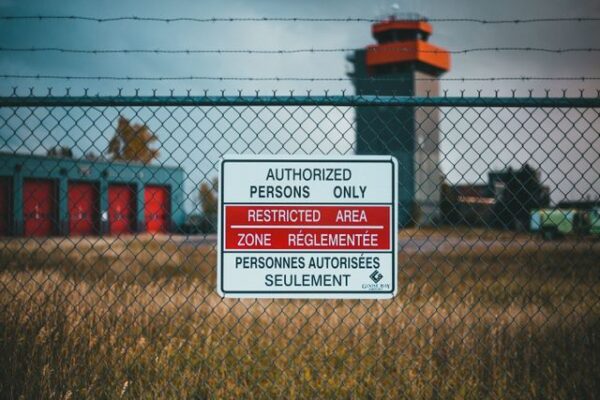
Classified building construction stands as one of the most specialized and demanding sectors you’ll find in the construction industry. These facilities demand an extraordinary level of attention to security protocols, technical specifications, and regulatory compliance, well beyond anything required for standard commercial projects. If you’re a government contractor, facility manager, or security professional, grasping the fundamental aspects of classified building construction becomes absolutely essential for successful project execution. The complexity here isn’t just about building walls and installing systems.
The Critical Importance of Security Clearances and Vetting
Security clearances form the absolute bedrock of any classified construction project, and they extend far beyond just the project managers. Every single individual who steps onto that construction site needs thorough vetting. All personnel involved must undergo comprehensive background investigations and obtain appropriate security clearances before they can access sensitive areas, and this process isn’t quick. We’re talking several months of meticulous documentation covering each worker’s history, citizenship status, and any potential security risks.
Stringent Physical Security Requirements and Access Control
Physical security measures in classified construction projects make traditional construction site security look basic by comparison. These facilities incorporate multiple layers of protection that create a comprehensive security envelope around sensitive operations. We’re talking reinforced walls, ballistic-resistant materials, and specialized entry control points designed specifically to prevent unauthorized access. Perimeter security typically includes high-security fencing, vehicle barriers, and strategically positioned guard posts that establish controlled access zones before anyone gets near the building itself.
Understanding Technical Surveillance Countermeasures
Technical surveillance countermeasures represent one of the most sophisticated aspects of classified building construction, addressing threats that remain invisible to the naked eye yet pose potentially devastating risks to national security. These facilities must be designed from the ground up to prevent electronic eavesdropping, signal interception, and electromagnetic emanations that could compromise classified information. The construction techniques here are highly specialized: copper shielding installations, fiber optic networks, and electromagnetic interference protection woven throughout the entire facility structure.
Compliance with Government Standards and Regulations
Navigating the complex web of government standards and regulations presents a significant challenge that separates classified construction from conventional projects. Facilities must comply with standards established by multiple agencies simultaneously, the Department of Defense, Intelligence Community Directives, and the National Institute of Standards and Technology all have their requirements. These standards dictate specific requirements for virtually everything: structural design, electrical systems, telecommunications infrastructure, and environmental controls all come under scrutiny.
When constructing facilities that handle sensitive compartmented information, professionals who need to meet stringent intelligence community requirements often rely on specialized SCIF construction that addresses the unique demands of these secure environments. The construction process requires extensive documentation, regular inspections, and certification at various project milestones to ensure compliance with all applicable regulations. Any changes to design or construction methods must go through formal approval processes that can significantly impact project timelines.
Specialized Materials and Construction Techniques
Classified building construction demands specialized materials and construction techniques that differ substantially from what you’d see on conventional commercial projects. Sound attenuation materials, electromagnetic shielding products, and ballistic-resistant components must meet stringent military and intelligence specifications that ensure optimal performance under demanding conditions. These materials often require special handling, storage, and installation procedures that add layers of complexity to the construction process you simply won’t encounter elsewhere.
Concrete formulations may include specialized additives that enhance electromagnetic shielding properties or boost structural strength beyond normal requirements. Wall assemblies often incorporate multiple layers of different materials, with each layer serving specific security functions while maintaining overall structural integrity. Penetrations for utilities and services require specialized sealing systems that maintain the security envelope without compromising functionality, every cable, pipe, and conduit becomes a potential vulnerability that must be addressed. Construction sequencing becomes absolutely critical here, as certain security features must be installed in specific orders to achieve the desired performance characteristics.
Conclusion
Understanding these five critical aspects of classified building construction provides a solid foundation for appreciating the complexity and specialized expertise required for successful project execution. From security clearances and physical protection measures to technical surveillance countermeasures and regulatory compliance, every element demands specialized knowledge and meticulous attention to detail. The specialized materials and construction techniques required for these facilities truly represent the cutting edge of secure construction practices.






