










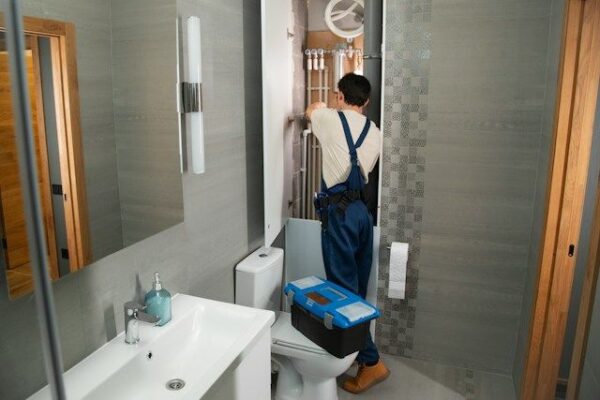
Plumbing is one of the most important systems in a large commercial building, yet its complexity can be easy to underestimate during the early stages of a project. Contractors and developers researching commercial plumbing capabilities can visit Twin Rivers Plumbing to learn about commercial plumbing, design-build services, plumbing repairs, and project experience across hotels, retail spaces, warehouses, and other commercial developments. Careful plumbing planning helps project teams coordinate systems, control costs, avoid construction delays, and create infrastructure that can continue serving the property long after construction is complete.
Start Plumbing Planning Early
Consider plumbing requirements while the overall building design is still taking shape. Pipe routes, drainage systems, fixtures, equipment, and utility connections can affect architectural, structural, mechanical, and electrical plans. Addressing these requirements early gives designers and contractors more flexibility to resolve conflicts before construction begins.
Early planning also helps the project team understand how much space plumbing infrastructure will require. Large commercial buildings may contain extensive networks of water supply lines, waste pipes, vents, pumps, valves, and other equipment. Finding suitable locations for these components on paper is generally easier than making major changes after installing walls, ceilings, and structural elements.
Improve Coordination Between Trades
Commercial construction involves many specialized trades working within the same building. Plumbing systems frequently share ceilings, walls, shafts, mechanical rooms, and service areas with electrical wiring, ductwork, fire protection systems, and structural components. Without careful coordination, different systems can compete for the same limited space.
Detailed planning allows contractors to identify these conflicts before they reach the jobsite. Digital models and coordinated drawings help teams understand where systems will be installed and determine an appropriate work sequence. Better coordination reduces unexpected modifications and helps each trade complete its responsibilities with fewer interruptions.
Keep the Construction Schedule Moving
A plumbing problem can affect much more than the plumbing contractor’s schedule. If underground piping is positioned incorrectly or a required connection is overlooked, concrete work, framing, equipment installation, and interior finishing may also have to wait. Even small mistakes can therefore delay several stages of construction.
Planning helps contractors identify important plumbing milestones and connect them with the broader construction schedule. Contractors can order materials at the right time, anticipate inspections, and schedule installation crews around other trades. This preparation gives project managers a clearer picture of dependencies that could influence completion dates.
Control Costs and Reduce Rework
Changes become increasingly expensive once construction is underway. Moving a pipe during the design stage may require a relatively simple drawing revision, while moving the same pipe after installation could involve removing finished materials and changing nearby systems. Careful planning reduces the likelihood of these costly situations.
Accurate planning can also improve budgeting by clarifying materials, labor, equipment, and installation requirements. Project teams can identify potential challenges before they become expensive problems and evaluate alternatives while several options remain available. This makes cost management more proactive, rather than relying on corrective decisions later.
Plan for Building Performance
Commercial plumbing systems must support the property’s actual demands. A hotel, warehouse, restaurant, office building, and retail development can have very different requirements for water consumption, drainage, fixtures, and specialized equipment. Planning should therefore reflect the building’s intended use rather than relying on a standard approach.
Future demand also deserves attention, particularly when a property may expand or change over time. A system designed only around immediate requirements could become difficult or expensive to modify when occupancy increases, or spaces are renovated. Considering realistic future needs can make the plumbing infrastructure more adaptable throughout the building’s useful life.
Make Maintenance Easier
Construction decisions can affect how easily a plumbing system can be maintained years later. Valves, cleanouts, pumps, water heaters, and other serviceable components need to remain reasonably accessible after ceilings, walls, and finishes are installed. Poor placement can turn otherwise routine maintenance into disruptive work.
Planning should therefore consider the people who will eventually operate and maintain the building. Clear system layouts, logical equipment locations, accessible shutoff points, and accurate documentation can make troubleshooting more efficient. Maintenance teams can then identify problems and perform repairs without unnecessarily disrupting large areas of the property.
Support Safety and Compliance
Commercial plumbing must satisfy applicable building codes, health requirements, accessibility standards, and local regulations. These requirements can affect pipe sizing, fixture placement, drainage, water heating, backflow prevention, and many other aspects of a project. Identifying relevant requirements early reduces the risk of discovering compliance problems during inspections.
Planning also gives contractors and designers time to review unusual or complicated parts of the project. Questions can be addressed before installation begins rather than being resolved under pressure at the jobsite. This preparation can support smoother inspections while helping ensure that completed systems operate safely and as intended.
Build With the Long Term in Mind
A commercial building may remain in service for decades, which means plumbing decisions should extend beyond the construction deadline. Durable materials, sensible system layouts, appropriate capacity, and accessible components can all influence long-term reliability. Saving time or money during installation may offer limited value if the decision creates repeated maintenance problems later.
Project teams should also consider how plumbing systems may need to respond to renovations, tenant changes, or new equipment. Commercial properties often evolve as businesses and occupants change, particularly in mixed-use and retail environments. Infrastructure that provides reasonable flexibility can make future modifications less disruptive and easier to manage.
Conclusion
Plumbing planning is an essential part of successful large commercial construction because the system interacts with so many other parts of a building. Starting early allows project teams to coordinate trades, manage schedules, control costs, support compliance, and reduce the likelihood of expensive rework while construction is underway. By also considering maintenance, future demand, and long-term building performance, contractors and developers can create plumbing infrastructure that supports both the immediate project and the property for years to come.




