








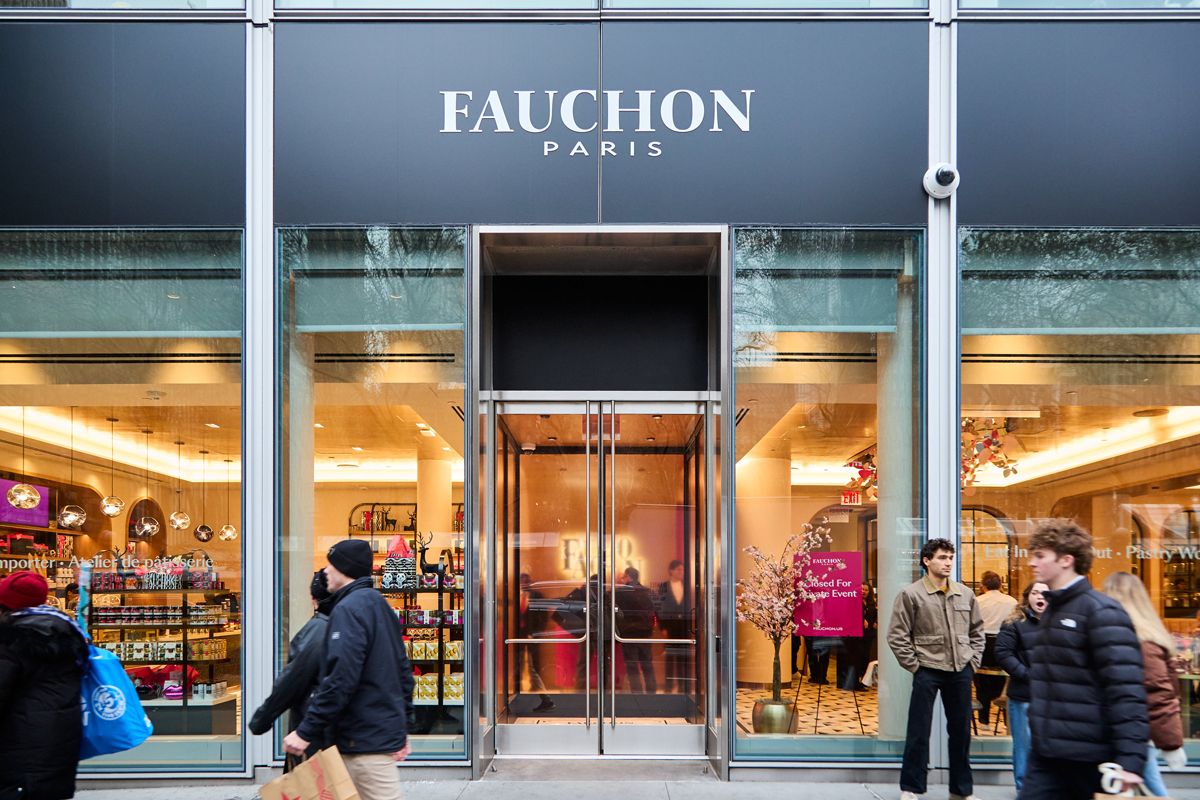
When a brand carries nearly 140 years of culinary heritage, opening a new flagship requires more than just construction—it demands precision, restraint and a deep respect for identity. That challenge was front and center when French luxury brand Fauchon returned to New York City with a vibrant new location near Bryant Park, reintroducing the storied Parisian gourmet house to the U.S. market.
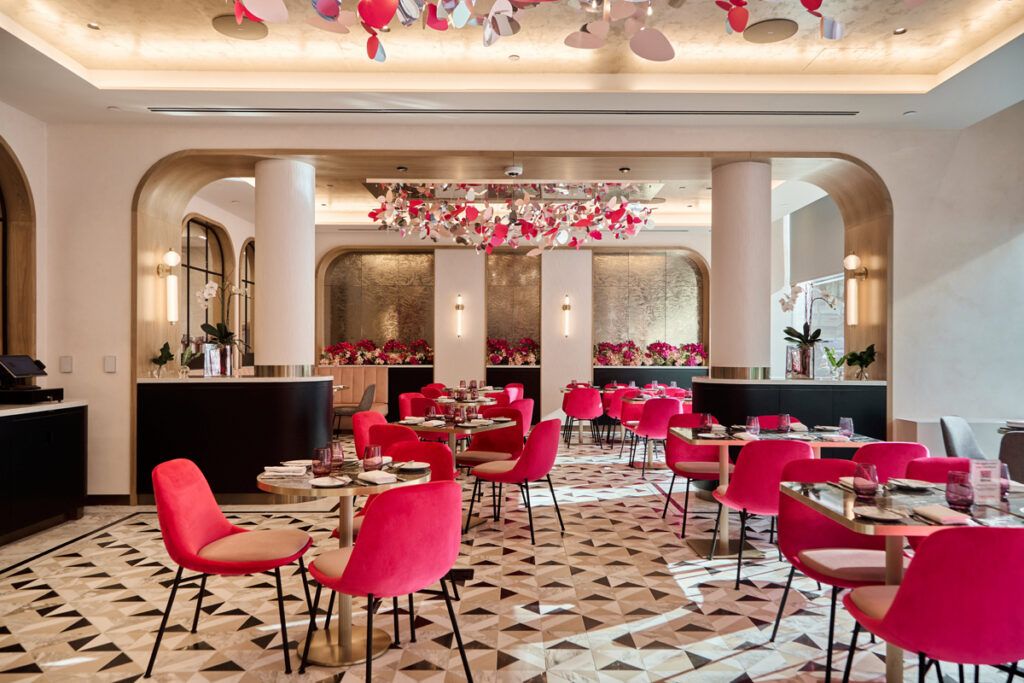
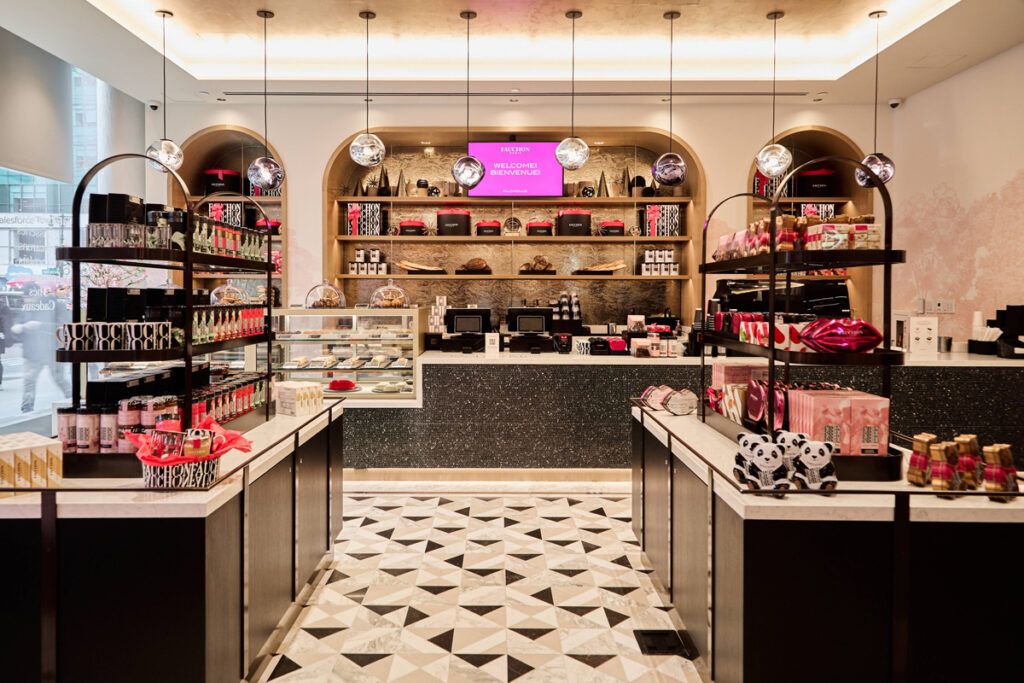
Designed as an all-day dining and retail destination, the Midtown Manhattan flagship blends multiple experiences under one roof, including a bakery, gourmet boutique, barista bar, café, full-service restaurant and a private dining room. The 75-seat space also carries Fauchon’s unmistakable signature aesthetic—most notably its iconic pink palette—creating an environment that feels both distinctly Parisian and unmistakably New York.
Bringing that vision to life required careful coordination between designers, operators and construction partners, particularly within the tight constraints of a dense urban site. For Reidy Contracting Group, the project presented an opportunity to translate an internationally recognized luxury brand into a highly detailed hospitality environment built for the energy of Midtown.
We sat down with Danny Monteiro, Managing Partner of Reidy Contracting Group, and Trevor Munson, VP of Operations, to discuss the complexities of building the Fauchon flagship, the craftsmanship required for hospitality-driven retail environments and how thoughtful execution helps global brands establish a meaningful presence in New York City.
How has building for restaurant and hospitality brands changed over the past few years?
Restaurant and hospitality construction has become far more intentional and layered. Today’s brands focus not just on opening a space, but on creating a fully immersive experience that reflects their identity.
On the Fauchon New York flagship, that meant balancing Parisian heritage with the energy of Midtown Manhattan, all within a high-traffic urban environment. Construction partners are now expected to help translate brand storytelling into spaces that perform operationally, emotionally and commercially.
What are today’s restaurant clients asking for that they were not prioritizing five years ago?
Clients are asking for flexibility, longevity, and operational precision. With Fauchon, there was a strong emphasis on back-of-house efficiency to support a multifaceted program—bakery, retail, café and private dining—without compromising the guest experience. Five years ago, those conversations often came later; today, they’re central from day one.
 How do contractors translate a brand’s vision into a buildable, functional hospitality space without losing intent?
It starts with deep collaboration early in the process. For Fauchon, understanding the brand’s Parisian roots and elevated hospitality standards was essential. We worked closely with the design and culinary teams to identify where craftsmanship mattered most—custom millwork, lighting, finishes—and ensured those elements were executed precisely, while engineering the space to function seamlessly in a demanding New York setting.
What design elements most often create construction challenges in restaurant projects? How do you help owners navigate them?
Custom fixtures, specialty lighting, imported materials, and complex kitchen infrastructure often present challenges. At Fauchon, coordinating bespoke millwork, layered finishes, and specialty equipment within a tight urban footprint required early planning and constant communication. We help owners navigate these challenges by flagging risks early and aligning design intent with constructible solutions.
How has the pace of restaurant construction shifted today?
Timelines are tighter, especially for flagship openings in competitive markets. With Fauchon’s Bryant Park location, sequencing and coordination were critical to meet opening goals without sacrificing quality. Today’s pace demands disciplined scheduling, proactive problem-solving and strong trade coordination.
What factors matter most when building restaurants across urban, suburban and mixed-use markets?
Context drives everything. Urban projects like Fauchon require careful logistics, off-hour deliveries, noise management, and coordination with building management and neighboring tenants. Understanding these constraints early allows construction teams to maintain momentum without disrupting surrounding environments.
What’s the biggest challenge contractors face right now when delivering hospitality projects on time and on budget?
Material lead times and cost volatility remain significant challenges. On hospitality projects with high-end finishes like Fauchon, transparency and flexibility are key—whether that means proactive procurement or identifying alternatives that preserve design intent while protecting schedule and budget.
How is sustainability showing up on the construction side of restaurant projects in real, practical ways?
Sustainability is increasingly embedded in material selection and systems planning. At Fauchon, durable finishes, efficient lighting and thoughtfully specified systems were prioritized to support long-term performance and reduce ongoing maintenance—an approach that benefits both the brand and the environment.
How do you help brands maintain consistency across multiple locations while adapting to site-specific realities?
Consistency is about delivering the same brand experience, not replicating the same space. Fauchon’s New York flagship needed to feel unmistakably Fauchon while responding to its Bryant Park context. We help brands protect their core identity while adapting layouts, infrastructure, and execution to site conditions.
What construction decisions most directly impact the guest experience once a restaurant opens?
Lighting, acoustics, circulation and finish quality have an immediate impact on how guests feel in a space. At Fauchon, the precision of lighting, ceiling details and custom fixtures played a major role in creating a refined, welcoming atmosphere that supports both retail and dining experiences.
What separates a smooth restaurant build from one that struggles?
Early alignment. Projects like Fauchon succeed when ownership, designers and contractors are aligned on goals, priorities and timelines from the start. Clear communication and decisive leadership make all the difference.
 What advice would you give restaurant brands to better prepare for construction before breaking ground?
Resolve as much as possible upfront. A well-defined design and operational plan allows construction teams to anticipate challenges and maintain momentum. Early contractor involvement can also help identify potential risks before they impact schedule or cost.
What opportunities do you see for contractors as hospitality brands rethink layouts, formats and footprints?
There’s a growing opportunity for contractors to act as strategic partners. Projects like this show how brands are blending retail, dining and experiential elements—requiring contractors to think holistically about flow, infrastructure and guest engagement.
How are customer experience expectations influencing construction methods and material choices?
Guests expect elevated, thoughtfully crafted environments. That expectation drives demand for higher-quality materials, refined detailing, and construction methods that ensure longevity and performance—especially in flagship locations like Fauchon’s Bryant Park outpost.
What trends do you believe will most shape restaurant construction and delivery?
We expect continued emphasis on experiential design, operational flexibility and craftsmanship. Flagship projects like Fauchon demonstrate how brands are investing in spaces that tell a story while performing at the highest level.
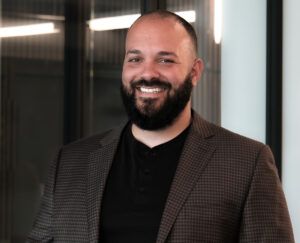 One-on-One with… Reidy Contracting Group’s Danny Monteiro and Trevor Munson
Describe a typical day.
A typical day includes site walks, coordination meetings, and problem-solving alongside project teams—often balancing multiple hospitality projects with different logistical and design challenges, like those encountered at Fauchon.
What’s the biggest item on your to-do list right now?
Managing schedules and coordination to ensure projects stay on track while delivering the level of craftsmanship clients expect in high-profile hospitality environments.
What was the best advice you ever received?
Listen first. Understanding a client’s vision and priorities leads to better decisions throughout construction.
What’s the best thing a customer ever said to you?
“That space feels exactly like our brand.”




