









Commercial property renovations can significantly influence a building’s market appeal, functionality, and long-term investment potential. Whether upgrading an office complex, retail space, hotel, or mixed-use property, thoughtful improvements can help owners attract tenants, improve operational efficiency, and maintain competitiveness in changing real estate markets.
However, successful renovation involves more than updating interiors or installing modern equipment. Property owners must consider how improvements affect the building’s existing character, maintenance requirements, energy performance, and future commercial use.
The most effective renovation strategies balance immediate visual improvements with investments that deliver lasting practical value. From preserving architectural history to upgrading building systems and creating flexible interiors, a carefully planned project can strengthen a property’s identity while improving its commercial prospects.
Preserve Architectural Character While Modernizing the Property
Older commercial buildings often possess distinctive architectural features that newer developments cannot easily reproduce. Original entrances, decorative ceilings, historic signage, and traditional materials can contribute to a property’s character and create a memorable impression on visitors.
Before beginning major renovations, property owners should examine available records to understand which elements originally defined the building. Historical photographs, architectural drawings, and promotional materials can provide valuable references when restoring important details.
Some commercial properties also have older film recordings documenting previous businesses, opening ceremonies, or earlier uses of the building. Professional 8mm film to digital conversion can help preserve these recordings and make them accessible during renovation planning. Digitized footage may reveal original storefront designs, interior layouts, signage, or decorative features that owners can incorporate into a historically informed renovation.
These materials can also support a property’s branding. A renovated hotel, restaurant, or retail destination may use archival photographs and footage to communicate its history through interior displays, promotional content, or digital presentations.
Combining modern facilities with recognizable historical character can help a commercial property establish an identity that distinguishes it from competing buildings.
Prioritize Energy Efficiency and Building Performance
Energy efficiency is an important consideration for commercial property owners because heating, cooling, ventilation, and lighting contribute to ongoing operating expenses.
Upgrading outdated HVAC equipment can improve temperature control while potentially reducing energy consumption. Smart building management systems may also help operators monitor equipment performance and adjust settings according to occupancy patterns.
Lighting improvements offer another practical opportunity. Modern LED fixtures generally consume less electricity than older lighting technologies and may require less frequent replacement.
Insulation, window performance, and air sealing can also influence overall building efficiency. However, the most appropriate upgrades depend on the property’s construction, climate, and existing systems.
An energy assessment can help owners identify improvements that offer meaningful operational benefits before committing to expensive installations.
Create Flexible Interiors That Accommodate Changing Tenants
Commercial tenants increasingly value spaces that can adapt to different operational requirements. An office building might need areas for individual work, collaborative meetings, and temporary events, while a retail property may benefit from layouts that support changing merchandise displays.
Flexible floor plans can make commercial properties more attractive to a wider range of prospective occupants.
Movable partitions, modular furniture, and adaptable electrical arrangements allow businesses to reorganize spaces without major construction work. Accessible storage and appropriately positioned service connections can provide additional convenience.
Owners should also consider how future tenants might use the property rather than designing exclusively around one business model.
A flexible renovation can reduce the need for repeated alterations and help the building remain relevant as commercial requirements evolve.
Improve Entrances and Shared Areas to Strengthen First Impressions
Visitors often form an opinion about a commercial property before entering an individual office or retail unit. Exterior appearance, signage, landscaping, and entrance accessibility can all influence how professional and welcoming a building feels.
Refreshing worn surfaces, improving exterior lighting, and maintaining clear pathways can create noticeable improvements without requiring extensive structural modifications.
Inside the building, reception areas, corridors, elevators, and shared facilities deserve particular attention. These spaces experience frequent use and contribute directly to the overall visitor experience.
Durable flooring, consistent signage, comfortable waiting areas, and suitable lighting can make shared environments easier to navigate.
Accessibility should also guide renovation planning. Entrances, restrooms, circulation areas, and other facilities need to meet applicable requirements while supporting convenient use for visitors with different mobility needs.
Upgrade Technology Infrastructure for Modern Businesses
Reliable digital infrastructure has become essential for many commercial tenants. Offices depend on stable internet connections, retail businesses use connected payment systems, and hospitality properties increasingly incorporate digital services into customer experiences.
Renovation projects provide opportunities to improve cabling, network equipment, wireless coverage, and electrical capacity.
Planning these upgrades before completing walls and ceilings can reduce the expense of future modifications.
Smart security systems, access controls, and monitored building equipment may offer additional operational advantages. However, technology investments should reflect the property’s intended users and maintenance capabilities.
A straightforward, reliable system often provides more practical value than complicated equipment requiring extensive ongoing management.
Choose Durable Materials That Reduce Long-Term Maintenance
Commercial properties experience different levels of wear depending on occupancy, visitor traffic, and business activity. Selecting appropriate materials can therefore influence both appearance and long-term maintenance expenses.
High-traffic corridors may benefit from durable flooring designed for frequent cleaning, while reception areas can combine resilient surfaces with more distinctive decorative finishes.
Restrooms and shared kitchens require materials suited to moisture exposure and regular maintenance. Exterior surfaces should also reflect local weather conditions and cleaning requirements.
Rather than choosing finishes exclusively for their initial appearance, owners should consider expected service life, replacement costs, and maintenance frequency.
This approach can help protect the value of renovation investments while keeping the property attractive to occupants.
Plan Renovations Around Long-Term Investment Goals
A successful commercial renovation should begin with a clear understanding of the property’s financial and operational objectives. Owners may want to increase rental income, attract different tenants, reduce vacancies, or prepare a building for eventual sale.
Each objective may justify a different combination of improvements. A property with outdated mechanical systems may benefit most from infrastructure upgrades, while a well-maintained building with an unattractive entrance could require more visible changes.
Renovation budgets should account for construction expenses, professional services, permits, potential disruptions, and unexpected repairs. Phased improvements can sometimes help owners maintain occupancy while completing necessary work.
Ultimately, commercial property value depends on more than appearance. Functionality, operating expenses, location, tenant demand, and building condition all influence investment potential.
By combining historical preservation, energy efficiency, adaptable interiors, reliable infrastructure, and durable materials, owners can develop commercial properties that remain appealing and practical for years to come.
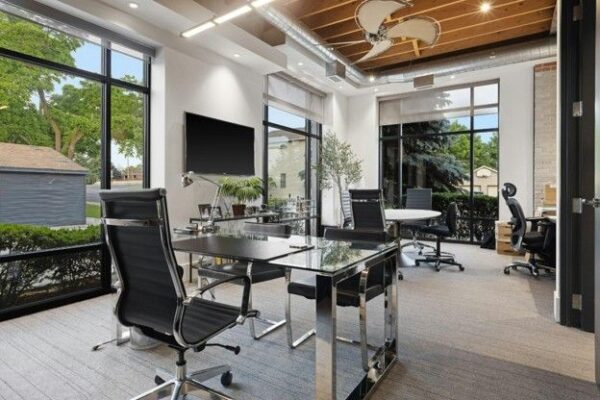
Photo by Point3D Commercial Imaging Ltd. on Unsplash




