










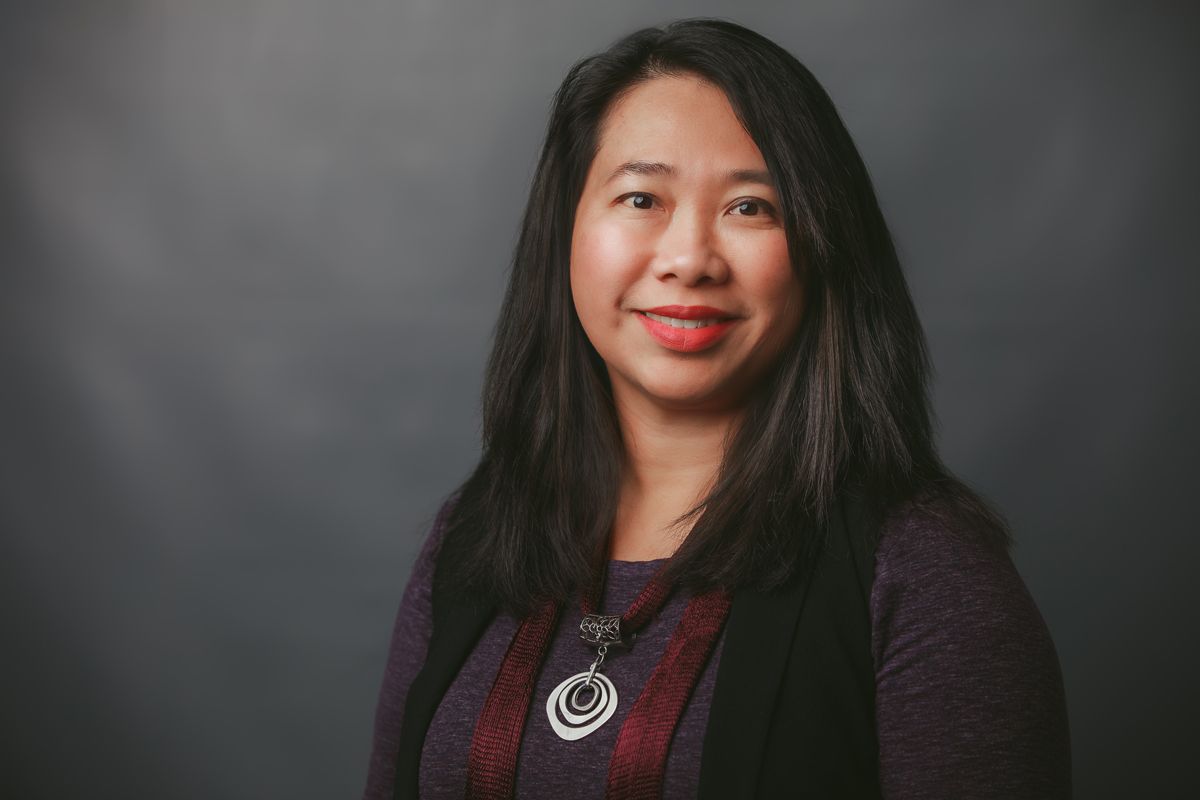
Construction’s future will depend on more than new technologies and innovative projects. It will require a broader range of perspectives in the rooms where decisions are made. Stephanie Lee has spent her career helping organizations align business strategy with real estate strategy, leading complex transactions, navigating corporate transformations and advising clients through critical growth decisions.
Along the way, she has also become a strong advocate for expanding opportunities for women across the construction and commercial real estate industries.
As a leader at Global Street Partners, Lee combines executive leadership experience with firsthand knowledge as a real estate investor, bringing both strategic insight and practical perspective to every conversation. Her work with industry organizations focused on diversity and leadership reflects a commitment to helping shape a more inclusive future for the built environment.
In our interview, Lee discusses the evolving role of women in construction, the importance of mentorship, the value of diverse leadership and why creating more pathways into the industry benefits everyone.
Tell us your story. What inspired you to pursue a career as a woman entrepreneur?
My journey began in the corporate world as an HR executive. During economic shifts, I noticed a recurring pattern: Companies treated real estate as a static cost and sometimes jumped to layoffs to save their bottom line. I knew there was a better way. I realized that if leadership viewed real estate as a strategic, adaptable asset, that shift could help protect their people and fuel growth.
This inspired me to found Global Street Partners. I wanted to prove that a business-first approach, where use of space evolves alongside the company, could outperform the traditional, rigid transactional commercial real estate model.
What’s been the most defining moment of your career so far?
The most defining moment was surpassing $3 billion in transactions while maintaining a boutique, white-glove approach. It validated my belief that the market was hungry for more than just brokers; it needed strategists. It proved that when you align a physical footprint with a company’s goals and its long-term scalability, you create far more value than a simple lease agreement ever could.
How has your leadership style evolved as you’ve advanced in the industry?
Early on, I felt I had to have all the answers. Now, I understand that true leadership is about building genuine, relationship-driven partnerships. My role has evolved into being a strategic advisor who empowers clients to think differently about their physical environment. I lead with “heart and humanity” now more than ever.
What are some of the most significant changes you’ve seen in the industry?
The most profound change is the shift away from the idea that a building is just a cost center with four walls and a ceiling. Cost per square foot should never be the only variable considered.
Today, space is a tool for defining corporate culture and identity. I have also seen a massive rise in the importance of accessibility and inclusive design. In my work with Lifeworks Services, for example, we focus on locations that signal belonging. The industry is finally realizing that if a space doesn’t serve the people within it, it isn’t an asset.
This is important because there is a massive surplus in commercial office space as more people work hybrid or 100% from home. Corporations have a lot of options. They are no longer forced into rigid, long-term commitments that don’t fit. Instead, they can be highly selective, leveraging this surplus to find spaces that can be adjusted to fit their specific, evolving business models.
What emerging trends do you believe will have the biggest impact moving forward?
Strategic agility will be the ultimate competitive edge. This goes beyond just adaptive reuse. It is about future-proofing renovations so they can be reconfigured as a business model changes.
Whether a company is consolidating a global portfolio or expanding into new markets, the trend is toward high-impact design that can pivot without requiring a total overhaul. In construction and renovation, the ability to build for change is the new gold standard.
What advice would you give to young women considering a career?
Take risks early. Don’t wait until you feel 100% qualified to pull the lever on a new opportunity. You may feel intimidated but remember that your unique perspective is a strategic asset.
Understand who is on your team and whose team you are on. Build a support network before you think you need it, and never be afraid to challenge the way things have always been done.
What’s the best piece of career advice you’ve ever received?
“Read the room so you can provide solutions that are unique and valuable.” It’s not enough to be good at the technical side of construction or brokerage; you have to understand the emotional and strategic climate of the person sitting across from you. That agility is what keeps you relevant when the market pivots.
What’s the single most important thing every woman can do to secure—and keep—a seat at the table?
Clearly articulate your value. Don’t assume people see the work you are doing or understand the “why” behind your successes. You must own your narrative. When you can demonstrate how your specific work directly impacts enterprise value and the company’s bottom line, your seat at the table becomes more essential.
How can companies better support the advancement of women in leadership roles?
Companies need to break down the silos. So often, women are funneled into specific departments while the big-ticket strategic decisions happen elsewhere. By involving women in the full discovery process—especially in capital-intensive areas such as real estate and infrastructure—companies gain a more holistic perspective that leads to smarter, more resilient decision-making.
What’s the biggest item on your to-do list right now?
I am currently focused on helping Lifeworks Services open its new Center for Disability Inclusion in Mankato this summer. It is a project that perfectly illustrates my philosophy. We’re repurposing space in a mall by turning it into an ultra-accessible hub that serves the community and the organization’s mission simultaneously.
What motivates you to keep pushing boundaries in your career?
My two adult children and the next generation of women entrepreneurs. I want to demonstrate how to use your talents to create fresh opportunities with integrity. Each time I help a client achieve substantial growth or help a nonprofit expand its reach through strategic site selection, it reinforces that my work has real, human impact.
If you could change one thing about the industry, what would it be?
I would replace the transactional nature of the business with a relationship-driven one. If we stop seeing properties as commodities and start seeing them as places where companies can nourish human potential, the entire industry—and our communities—will be better for it.




