




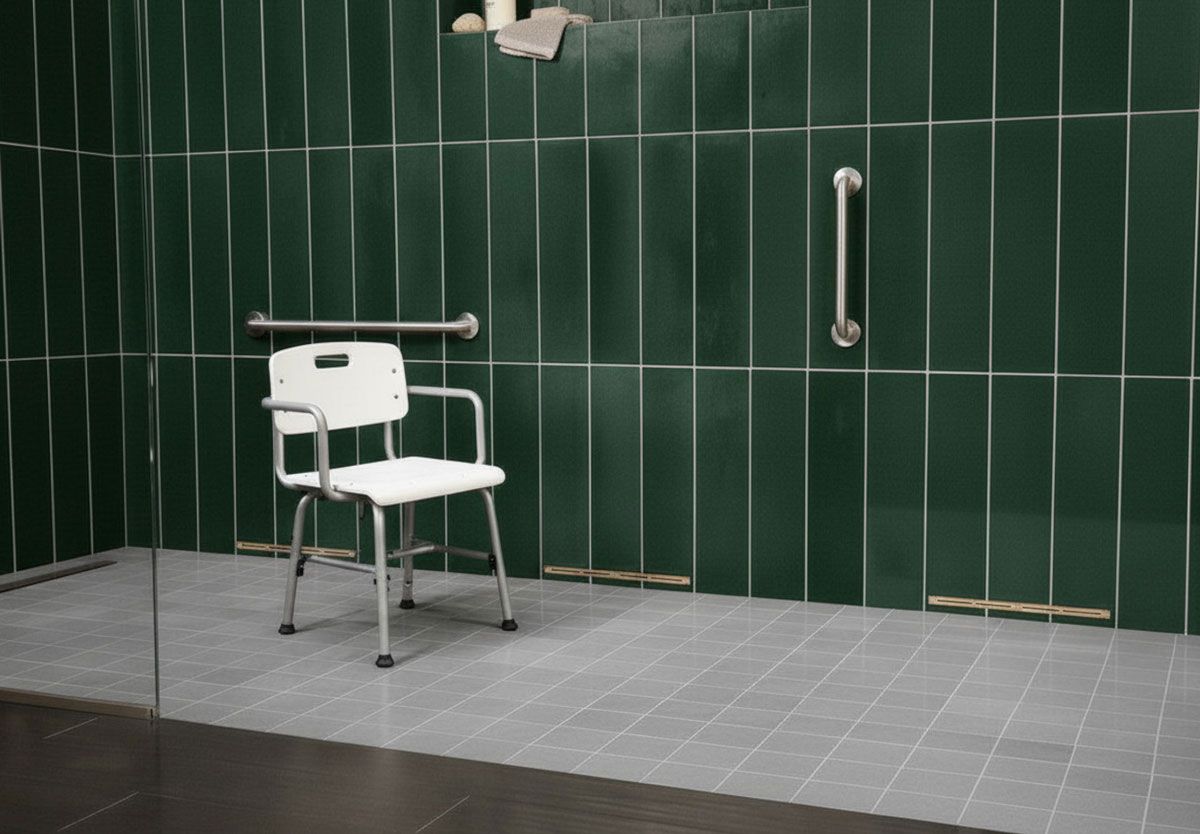
The most dangerous room in the house doesn’t look like it. It’s quiet. Familiar. Used every day without a second thought. But for older adults—and for anyone navigating injury, recovery or limited mobility—the bathroom can quickly become a place where independence slips, quite literally, out from under them.
That’s where design begins to matter differently. Aging in place is about more than staying home. It’s about staying yourself—maintaining routines, dignity and control over daily life. But as the National Institutes of Health notes, when the demands of a space exceed a person’s physical capabilities, quality of life begins to decline. The gap between environment and ability becomes the risk.
Closing that gap is where thoughtful design steps in. The focus isn’t just on what a bathroom looks like—it’s how it performs. Its accessibility-driven approach centers on reducing hazards, simplifying maintenance, and creating spaces that quietly support the people who use them every day.
Rethinking the Wettest Space in the Home
Water is essential to the bathroom experience—but it’s also the source of its biggest risks. Slippery floors, lingering moisture and hard-to-clean surfaces can turn routine tasks into physical strain or potential injury. The AirJet Shower Drying System addresses that challenge at its source, introducing forced air directly into the shower space to dry floors and walls quickly after use.
The impact is both immediate and long-term: less standing water, reduced mold and mildew growth and surfaces that remain safer between uses. “It is a lot to clean a big shower, especially if you’re dealing with inflammation in your wrists or hands,” says Certified Aging in Place Specialist Jackie Haddon. “Anything you can do to minimize the amount of time you’re on your hands and knees scrubbing is important.”
By shortening drying time, the system does more than improve maintenance—it removes a layer of physical demand from everyday life. Curbless showers also depend on the drain doing its job, so in older homes it’s worth having a plumber check for slow or blocked drains before the floor is regraded, otherwise water pools right where the step used to stop it.
 Designing Out the Risk
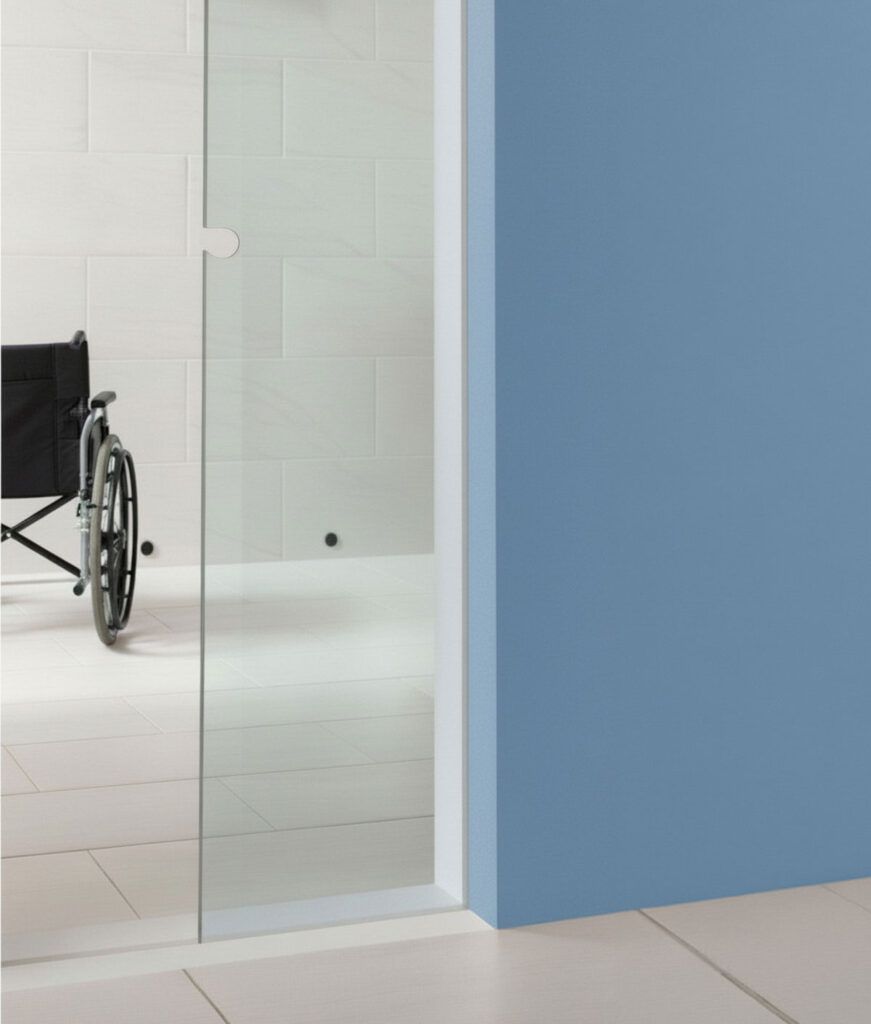
Even something as simple as a shower door can introduce risk. Traditional swinging doors often drip water onto the floor, creating hazards that are easy to overlook until they’re not. The AirPocket Door reimagines that experience with a slide-in glass system that eliminates outward swing and contains moisture within the shower space.
When closed, the system forms a tight seal—ideal for steam showers, which offer therapeutic benefits but also increase moisture levels.
“Steam showers are great for healing from injuries. They’re good for age. They’re good for any kind of disorder or condition where you have inflammation,” Haddon says. “Often with steam showers, it can become very wet. Any time there is moisture, we increase the potential for falling and damage.”
Integrated AirJet nozzles within the door system actively dry the glass once it’s returned to its pocket, further reducing residual moisture. Paired with curbless entry options, the design supports both accessibility and ease of movement, adapting to a wide range of mobility needs.
Where Design Meets Peace of Mind
At its core, accessible design isn’t about adding features—it’s about removing friction. It’s fewer barriers. Less strain. More confidence in the everyday.
“Aging in place is deeply personal to us, and it’s a core principle of the AIRMADA brand,” says Rebecca Jones, National Sales Manager for AIRMADA Drying Solutions. “Our team prioritizes more than just aesthetics or design trends; we focus on the safety and accessibility features that truly make a house feel like home. Everyone deserves to feel comfortable in their space, and we all have loved ones—parents, children, guests, pets and ourselves—we want to keep safe.”
In the end, the goal isn’t just a better bathroom. It’s a home that continues to work—for whoever walks through it, today and years from now.




